Medico Guides 5th Block (Module No 08) Physiology Guidelines

Prepared by:

                   Alisha Athar (G13)                  

Compiled by:

                   Hafiz Muhammad Umair Noor (G12)

Recommended Book:

  • Guyton and Hall Textbook of Medical Physiology 14th Edition (Chapter numbers are mentioned according to this edition)

ENDOCRINOLOGY

  • Endocrinology by Dr Ameena PDF has been shared, it’s better to do it from Guyton and PDF

EnR-P-001(a):

  • Chemical messengers
  • Chemical structure and synthesis of hormones
  • Table 75.1
  • Clearance of hormones
  • Mechanism of action of hormones
  • Receptors and activation
  • Down regulation of receptors
  • Fig # 75.4
  • Enzyme-linked hormone receptor
  • Table 75.2
  • Fig 75.5
  • Intracellular hormone receptors
  • Fig 75.6
  • Table 75.3
  • Table 75.4
  • Fig 75.7
  • Fig 75.8
  • Ca calmodulin system

EnR-P-001(b):

  • Names of anterior and posterior pituitary harmones
  • Cell types and hormones of pituitary with table 76.1
  • Fig 76.4
  • Table 76.2
  • Hypothalamic releasing and inhibitory harmones
  • Growth Hormone (imp)
  • Physiological functions
  • Metabolic effects (whole v imp read flowcharts from pdf)
  • Fig 76.6
  • Table 76.3( v imp)
  • Effect of GH on proteins
  • Effect of GH on Fats
  • Ketogenic effect v imp
  • Effect of GH on carbohydrates vvimp
  • Necessity of insulin and carbohydrates…
  • Effect of GH on cartilage and bones
  • Somatomedins (vvvvvvv imp)
  • Difference between GH and Somatomedins (from pdf shared)
  • Regulation of growth hormone secretion (read for concept. you can also read it from pdf)
  • Abnormalities of Growth Harmone secretion (complete blue boxes) v imp
  • Panhypopituitarism with causes and treatment
  • Sheehan syndrome from Google (imp)
  • Panhypopituitarism in childhood and dwarfism
  • Difference between Loran dwarfs and African pygmies
  • Gigantism (before adolescence)
  • Acromegaly (after adolescence) also do it from pdf
  • Posterior pituitary gland (give a read from pdf)
  • Physiological function of ADH
  • Fig 76.10
  • Vasoconstrictor effects of ADH
  • Oxytocin functions

EnR-P-002:

  • Synthesis and secretion of thyroid harmones
  • Steps for synthesis of thyroxine (all steps imp)
  • Fig 77.2 (vimp)
  • Difference between T3 and T4 (from pdf shared)
  • Transport of thyroxine
  • Physiological functions of thyroid hormones with fig 77.5 complete till page 948
  • Regulation of thyroid hormones (Imp)
  • TSH
  • Fig 77.7
  • Antithyroid substances all (Imp)
  • Diseases of thyroid (complete till the end of this chapter)
  • Hyperthyroidism (causes, symptoms, exophthalmos, diagnosis (Imp) treatment)
  • Hypothyroidism (causes, endemic, idiopathic, characteristics) (Imp)
  • Myxedema (Imp)
  • Diagnosis
  • Cretinism (Imp)
  • Difference between Cretinism and dwarfism ( in pdf shared)

EnR-P-003:

  • Names of adrenal hormones
  • Synthesis and Secretions of adrenocortical hormones
  • Mineralocorticoids imp
  • Glucocorticoids imp
  • Fig 78.2 (v v Imp)
  • Plasma bound hormones
  • Adrenocortical hormones are metabolized in liver
  • Functions of Mineralocorticoids (also read from pdf shared)
  • Mineralocorticoid deficiency causes renal NaCl wasting…
  • Apparent Mineralocorticoid Excess Syndrome (AME)
  • Renal and circulatory effects
  • Aldosterone escape imp
  • Excess aldosterone effects
  • Deficiency of aldosterone
  • Fig 78.4
  • Regulation of aldosterone secretion (v imp)
  • Function of glucocorticoids
  • Effects of cortisol on carbs, protein, fats
  • Adrenal diabetes
  • Cortisol prevents inflammation (Imp)
  • Anti inflammatory effects (seq)
  • Fig 78.7
  • Regulation of cortisol secretion
  • Fig 78.8
  • Circadian rhythm of glucocorticoids
  • Synthesis and secretion of ACTH (read for concept)
  • Adrenal androgens (complete till the end of chapter) v imp
  • Difference btw Cushing disease and Cushing syndrome (google)

EnR-P-004:

  • Physiological anatomy of the pancreas
  • Insulin synthesis and synthesis with Fig 79.2
  • Activation by insulin and effects with Fig 79.3
  • Effect of insulin on glucose ( all)
  • Insulin promotes liver storage and use of glucose
  • Glucose released from the liver between meals
  • Lack of insulin effect on the brain
  • Effect of insulin on fat synthesis and storage
  • Insulin deficiency causes lipolysis (Imp)
  • Effect of insulin on protein metabolism
  • Fig 79.7
  • Table 79.1 (v imp)
  • Factors that stimulate insulin secretion
  • Glucagon (complete)
  • Somatostatin in blue box (Imp)
  • Summary of glucose regulation
  • Importance of blood glucose regulation

EnR-P-005:

  • Diabetes mellitus (give a thorough read to whole topic as it is v important )
  • DM type 1 (cause dehydration, polyuria, metabolic acidosis, polyphagia… explanation given in pdf shared)
  • Treatment of DM type 1 (Imp)
  • Type 2DM (causes
  • Metabolic syndrome
  • Table 79.2
  • Table 79.3
  • Treatment of type 2DM
  • Insulinoma (Imp)
  • Hypoglycemia

Note: Do this chapter from Firdous. Extra topics to be done from Guyton are mentioned below.

EnR-P-006, 007

  • Osteolysis (rapid phase of Ca and phosphate mobilization)
  • Slow phase of bone resorption (activation of osteoclasts)
  • Fig 80.6 (read)
  • Fig 80.8( imp)
  • Fig 80.14
  • Summary of effects of parathyroid (Imp)
  • Do all clinicals from blue boxes (complete)
  • Difference btw rickets and tetany

EnR-P-008:

  • Adrenal medullary harmones and pheochromocytoma ( from google or lec slides)

REPRODUCTION AND LACTATION

Important Note:

  • It’s better to do it from Firdous physiology with Guyton
  • The whole topic of reproduction and lactation from Firdous
  • The topics which you’ve to do from Guyton are mentioned below.

(EnR-P-009 to 015)

  • Fig 81.3(total 74 days )
  • Capacitation( imp)
  • Acrosome reaction (imp)
  • Why does only one sperm enter the oocyte?
  • Estrogen production in male ( written in blue box) read
  • Basic intracellular mechanism of action of testosterone (read)
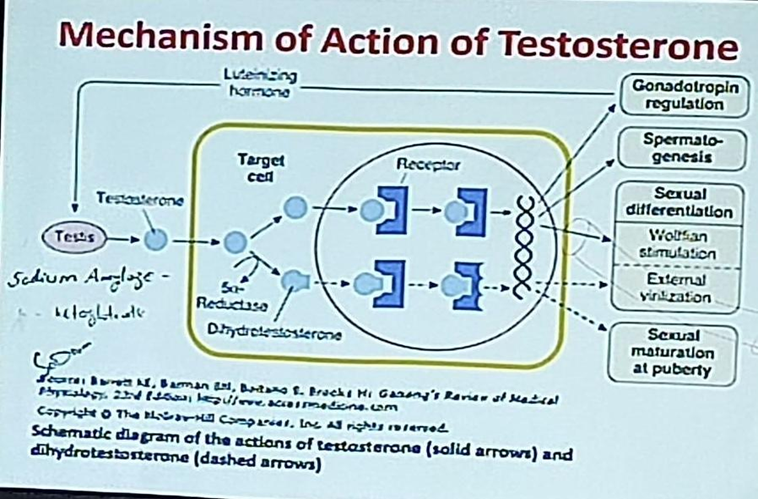
  • Fig 81.10 (read)
  • Fig 82.3
  • Fig 82.4 (concept)
  • Fig 82.6(imp)
  • Fig 82.7
  • Fig 82.8 imp
  • Fig 82.9 82.11 read
  • Menopause
  • Double Bohr effect (read once for concept) written in diffusion of oxygen through placenta
  • Response of mother’s body during pregnancy (in blue box)
  • Parturition
  • Oxytocin causes contraction of the uterus
  • Onset of labor (+ve feedback)
  • Fig 83.10

Medico Guides 5th Block (Module No 08) Biochemistry Guidelines

Prepared by:

                  Aneesa Asif (G13)

                  Nofal Anjum Khan (G13)

Compiled by:

                  Hafiz Muhammad Umair Noor (G12)

  • Lippincott Illustrated Reviews: Biochemistry 8th Edition (Chapter numbers are mentioned according to this edition)
  • Satyanarayana Biochemistry 6th Edition
  • Harper’s Illustrated Biochemistry 30th Edition
  • Mark’s Biochemistry 6th Edition
  • Lehninger Principles of Biochemistry 7th Edition
  • Lippincott Illustrated Reviews: Cell and Molecular Biology 2nd Edition

ENDOCRINE BIOCHEMISTRY

(EnR-B-001)

  • Do this from Guyton chp 75. By doing complete chapter u will cover these LOs.
  • Tables of chap 75 are v.v.v.imp

(EnR-B-002)

  • Do this from the pics/pdf shared

(EnR-B-003)

  • Do this from Satya chapter 19
  • You can also do it from Harper chapter 42 (pics are shared)

(EnR-B-004a)

  • Do this from pdf/pics shared

(EnR-B-004b)

  • Do this from Lippincott chapter 23
  • Insulin synthesis v.v.v.imp
  • Can also do from Guyton chapter 79

(EnR-B-004c)

  • Do this from Lippincott chapter 21(III-A) page no 317 to 319

(EnR-B-004d & 007)

  • Do these from Guyton chapter 76, 77 & 78
  • U can also do cortisol and other steroid hormones from Lippincott chapter 18 (VII) pg no 262 to 266

(EnR-B-005)

  • This is a general LO. It will be covered by doing other LOs.

(EnR-B-006)

  • Do this from Guyton chapter 78
  • Pro-opiomelanocortin gene topic complete

(EnR-B-008)

  • Do these from pics/pdf shared

GENETICS

(EnR-B-009 to 015)

  • Do these from the pics/pdfs shared

(EnR-B-016 to 017)

  • The topic of Karyotypes is not given in the book. Do it from pics shared.
  • As far as mutations are concerned, some of them are given in Lippincott chapter 32(II-C pg 498 & 499). Rest will be shared as pics.

(EnR-B-018 to 021)

  • No need to do the the structure of DNA as it is not the part of ur syllabus
  • Start from (III-Steps in ….) pg no 462 to 475
  • Although whole chapter is imp but the most important topics are below
  • Topoisomerases v.v.v.imp
  • Leading and Lagging strand imp
  • Exonuclease & Endonuclease imp
  • Fig 30.21, 30.23, 30.24 v.v.imp

(EnR-B-022)

  • DNA repair is an important topic u must do it all
  • Pg 475 to 477
  • Xeroderma pigmentosum v.v.imp

(EnR-B-023 to 025)

  • No need to do structure of RNA as not a part of syllabus
  • Start chapter from (III-Prokaryotic…) pg no 484 to 493
  • Again whole chapter is important but most important things are listed below
  • Fig 31.10 imp
  • Post-transcriptional changes v.v.v.imp

(EnR-B-026 to 028)

  • No need to do genetic codon as not in syllabus
  • Must do Mutations as part of previous LOs
  • The topic (III-Components Required For Translation) is not in ur syllabus but u should read it to understand the chapter. Rest is up to u.
  • Wobble hypothesis v.v.v.imp (IV-Codon Recog….)
  • Do chapter from pg 502 to 510
  • Most important things listed below
  • Shine-Delgarno Sequence imp
  • Fig 32.13, 32.14 imp
  • Co & Post-translational modifications v.v.v.imp

(EnR-B-029)

  • We did whole chapter in our 2nd yr as college faculty taught us so. They also assessed
  • But whole chapter is not in ur syllabus but still its a very important chapter
  • Do this chapter from pg 515 to pg 519 then pg 524 & 525
  • Lac operon v.v.v.imp (Fig 33.4 ratti honi chahiye)
  • Tryptophan operon imp
  • Iron metabolism & RNA interference v.v.imp
  • Rest chapter is up to you

(EnR-B-030)

  • Don’t do complete chapter as not in syllabus
  • Do DNA Cloning pg 534 to 537 (Fig 34.6)
  • Do DNA Sequencing from pg 539 (Fig 34.9 only)
  • Do Southern Blotting complete topic on pg 540. It will also cover Northern & Western Blotting. Also do Fig 34.25 imp
  • Do RFLP from pg 541 to 547
  • Do PCR from pg 547 to 550 v.v.v.imp topic (Was asked in Proff Written n Viva both)
  • Do Human Genome Project from Satya chapter 28

Chromosomal Abnormalities

Pedigrees & Karyotypes

Nuclear Receptor Mediated Signalling Pathway

Mutations (Mosaicism & Robertsonian Translocation)

Mendelian Inheritance Patterns

Hormonal Contraception Compresseds

GPCR Signalling Pathways

Features of Signal Transduction, Types of Hormones & Types of Receptors

Enzyme Linked Signalling Pathways

Medico Guides 4th Block Histology Guidelines

                        Hadia Imtiaz (G13)

Compiled by:

                  Hafiz Muhammad Umair Noor (G12)

  • 2nd year Histology is quite extensive as compared to 1st year
  • So we have to do it smartly
  • All diagrams are important, for better understanding of diagrams consider Difiore’s Atlas of Histology
  • For clinicals consult Laiq Hussain and Difiore’s Atlas of Histology
  • For theory point of view, we need to do things in Tabular form as there are alot of comparisons so I would prefer ARC notes along with your recommended Books, it would be very benificial Indeed!

Recommended Book:

  • Medical Histology by Laiq Hussain 7th Edition (Chapter numbers are mentioned according to this edition)
  • Difiore’s Atlas of Histology
  • Mannual Of Histology (your practical notebook)
  • 2nd Year Histology Review By ARC (Notes)

UHS 4th Block

(Module No 06)

  • Microscopic features of Lips, Tongue & Oral Cavity (Read Regardly)
  • Histological structure of Parotid, Submandibular & Sublingual Gland (vvv.imp)
  • Difference between serous and mucous acini (imp)
  • Layers of GIT (vv.imp)
  • Histological difference between different parts of Esophagus (vvv.imp) Clinicals (Reflux esophagitis, Barret Esophagus)
  • Stomach (Pyloric & Fundic part Diagrams v.imp) Cliniclas (Role of Parietal cells in Pernicious Anemia)
  • Small Intestine (Diagrams are vv.imp + Histological features) Clinicals (Celiac disease & Crohn disease)
  • Large Intestine (Features and diagram imp)

UHS 4th Block

(Module No 07)

  • JG appratus and GF barrier (vv.imp),
  • Ureter and urinary bladder (v.imp)
  • Kidney (imp)
  • Clinicals (Cystitis,UTIs and Urinary bladder)

2nd Year Histology Review By ARC (Notes)

Medico Guides 4th Block Embryology Guidelines

Prepared by:

                       Hadia Imtiaz (G13)

Compiled by:

                  Hafiz Muhammad Umair Noor (G12)

  • Langman Medical Emryology 14th Edition
  • Development of tongue (read it and write it in concise manner, especially which structures contributing to its development)
  • You should know about terminology of tongue clinicals
  • Development of palate (intermaxillary seg + secondary palate)
  • Cleft lips and palate clinicals (all with defects in which structures)
  • Give read to the start of chapter for understanding start of development of Gut tube and know the extent of each part of gut tube.
  • Skip all molecular regulations

Foregut:

  • Esophagus development (not much important) Tracheoesophageal septum  Tracheoesophageal fistula (imp & for better understanding do it from chapter 10)
  • Development and Rotation of stomach along with nerve supply (vv imp specially rotation)
  • Clinical: hypertrophic pyloric stenosis (projectile vomit is it’s clinical feature)
  • Development of duodenum not much important but make flow chart
  • Duodenal Atresia & Double bubble sign is important
  • Liver development (not much important but which structures develop from which bud is important) but its ventral mesentery and its developing structures are important. Also read it’s clinicals
  • Development of Pancreas (v imp)
  • Clinical: Annular Pancreas (vv imp) read rest clinicals

 Midgut:

  • Herniation, Rotation & Retraction of midgut is imp for diff clinicals, mcqs and its relation with SMA
  • Most imp clinical of midgut is Meckel’s Diverticulum , gastroschisis,omphalocele ,volvus must do them (vvv imp)
  • Give read to all other clinicals

     Hindgut:

  • Anal Canal development (v imp in gross too) ( both parts of anal canal(
  • Clinicals: congenital megacolon (imp) read others

UHS 4th Block

(Module No 07)

  • Read start of chapter to know start of development
  • Pronephros, Mesonephros
  • Metanephros (imp)
  • Ureteric bud and Metanephric blastema and their further development into structures (v imp)
  • Positional changes ( according to location, closeness, hilum and change in blood supply)
  • Clinicals: Horseshoe kidney, bifid ureter & ectopic ureter (imp) pelvic kidney. Read rest .
  • Urinary bladder development relative to its three parts & urachal defects especially extrophy of bladder
  • Urethra development difference in males and females

Medico Guides 4th Block (Module No 07) Gross Anatomy Guidelines

                        Haris Nawaz (G13)

Compiled by:

                  Hafiz Muhammad Umair Noor (G12)

  • Snell’s Clinical Anatomy By Regions 10th Edition
  • BD Chaurasia Human Anatomy 8th Edition

ABDOMEN AND PELVIS

Kidney:

  • Features and coverings important for viva
  • Relation difference between left and right kidney (imp)
  • Neurovascular supply (vv. imp for viva difference between right and left kidney supply)

Clinicals:

  • Polycystic kidneys
  • Renal angle
  • Renal stones
  • staghorn stones

Ureter

  • Relation diff btw right & left ureter imp,
  • Normal constrictions v imp
  • Neurovascular supply v imp)

Clinicals:

  • Ureteric colic (v imp)
  • Read other clinicals

Urinary Bladder

  • Gross features imp
  • True and False ligaments v imp for viva
  • Neurovascular supply vv imp
  • Clinicals (Read regardly)

Urethra

Parts are important (do table from KLM)

Medico Guides 4th Block (Module No 06) Gross Anatomy Guidelines

Prepared by:                       

                        Haris Nawaz (G13)

Compiled by:

                  Hafiz Muhammad Umair Noor (G12)

  • Snell’s Clinical Anatomy By Regions 10th Edition
  • BD Chaurasia Human Anatomy 8th Edition

HEAD AND NECK

  • Only supplies (imp)
  • Rest give a read
  • Supplies & Muscles (vvimp)
  • Muscles and Supplies (imp)
  • Difference from medicnetic PDF
  • Parotid most imp and supplies of rest
  • Waldayer’s ring (vv imp)
  • Only 3 const muscles from table
  • Supplies (imp)

ABDOMEN AND PELVIS

  • Stomach Supplies (Proff UQ)
  • Stomach Bed (vv imp)
  • Duodenum, jejunum and ileum supplies (imp), plus difference from jejunum and ileum.
  • Duodenum  relations (vv imp)
  • Diff  b/w small and large intestine
  • Mainly supplies
  • All are imp celiac trunk, superior mesenteric artery (vv imp) , inferior mesentric artery
  • You know origin ,course and branches
  • Portal vein (vv imp) (complete)
  • Most imp for relations(from BD) and supplies
  • Supplies and relations+supports imp
  • Supplies & diff b/w upper and lower parts (from BD )imp
  • Supplies and relations  imp
  • McBurney point
  • Appendix positions
  • Suspensory ligament of duodenum
  • Calot triangle
  • Stomach bed
  • All these topics are high yield:
  • Greater omentum
  • Lesser omentum
  • Mesentry
  • Lesser sac
  • Epiploic foramen 
  • HepatoRenal and Recto uterine Pouch

From Snell

  • Muscles vvimp

From BD

  • Rectus sheath
  • Fascia transversalis
  • Inguinal ligament
  • Spermatic cord (vv imp)
  • From shared pdf
  • Remember  all clininicals are imp
  • Every clinical can be asked in your viva, mcq or written, so don’t  neglect this

Medico Guides 4th Block (Module No 07) Biochemistry Guidelines

Prepared by:

                    Nofal Anjum Khan (G13)

Compiled by:

                    Hafiz Muhammad Umair Noor (G12)

  • Lippincott Illustrated Reviews: Biochemistry 7th Edition (Chapter numbers are mentioned according to this edition)
  • Satyanarayana Biochemistry 4th Edition

PROTEIN METABOLISM

  • Structure, just give a read
  • Page 292 till Lesch Nyhan Syndrome Purine synthesis (fig 22.6, 22.7, 22.8, 22.9, 22.10 v imp)
  • 298- 301 Purine Degradation (fig 22.14, 22.15)
  • Page 302 – end of this chap
  • Pyrimidine synthesis and degradation (22.21, 22.22, 22.23)
  • Fig 22.8
  • Regulation of purine and pyrimidine synthesis on page 392 and 398-399 of Satya chap 17
  • Lesch Nyhan Syndrome (pg 296)
  • Gout (pg 299)
  • ADA/ SCID (pg 299)
  • Fig 22.1 and theory on page 302
  • Diff of CPS I / CPS II fig 22.20
  • Synthetic analogs pg 73 chap 5 Satya
  • PABA analogs/ Mycophenolic acid – fig22.7, 22.8
  • Deoxyribonucleotide synthesis complete along with blue box pg no 297

ACID BASE BALANCE

  • Chap 21 Satya from page 474 (Acid Base Balance) till the end of this chap (along with all the tables) (table 21.4, 21.5, 21.6, 21.7 v imp)
  • Tetany associated with alkalosis (do it from google)

Medico Guides 4th Block (Module No 07) Physiology Guidelines

Prepared by:

                   Alisha Athar (G13)

Compiled by:

                   Hafiz Muhammad Umair Noor (G12)

  • Guyton and Hall Textbook of Medical Physiology 14th Edition (Chapter numbers are mentioned according to this edition)

THE BODY FLUIDS AND KIDNEYS

  • Body fluid compartments
  • ECF comaprtment
  • Iso,hyper,hypo osmotic fluids
  • Hypo and hypernatremia
  • Table 25.4
  • Fig 25.7
  • Edema (intracellular and extracellular edema)
  • Summary of safety factor that prevents edema
  • Functions of kidney
  • Physiological anatomy of kidney
  • Blood supply of kidney
  • Difference between cortical and juxta medullary neprhons
  • Micturition
  • Innervation of bladder(v.imp)
  • Vesicoureteral reflux
  • Ureterorenal reflex
  • Cystometrogram with fig 26.8
  • Micturition reflex (vvvv imp)
  • Facilitation and inhibition of micturition
  • Abnormalities of micturition (vvvvvvv imp)
  • Urinary excretion rate equation
  • Why large amount of solutes are filtered and reabsorbed by kidney
  • Glomerular filtration rate
  • Composition of glomerular filtrate (read)
  • Filtration fraction (definition and equation)
  • Glomerular capillary membrane
  • Why albumin restricted from filtration (imp)
  • Minimal change nephropathy ( proff seq)
  • Determinants of GFR ( proff seq)
  • Fig 27.4
  • Increase glomerular capillary~ filtration coefficient
  • Increase GFR with increase hydrostatic pressure
  • Fig 27.7
  • Table 27.2
  • Renal blood flow(read)
  • Table 27.4
  • Control Of Glomerular filteration and blood flow(compl)
  • Autotegulation of GFR(compl)
  • Tubuloglomerular  feedback
  • Fig 27.11(SEQ)
  • Fig 27.10
  • Blockade of angiotensin formation .. (blue box pg 340)
  • Myogenic autoregulation
  • Fig 27.12
  • Table 27.5
  • Urinary excretion and filtration formula
  • Transcellular pathway and para cellular pathway (active transport on 2nd page of this chapter)
  • Fig 28.2 with net resorption of sodium ions paragraph (3 steps)
  • SGLT (2nd last paragraph of page 345) (mcqs)
  • Fig 28.3
  • Transport maximum,tubular load and threshold
  • Transport max of glucose value
  • Diff btw transport maximum and renal threshold of glucose ( google)
  • Fig. 28.4 (seq)
  • Fig 28.5 28.6 28.8 28.9 28.10 28.11
  • Fig 28.12, 28.13
  • Glomerulotubular balance
  • Table 28.2 (read)
  • Table 28.3 (2023 proff SEQ)
  • Fig 28.18 28.19
  • Use of clearance method whole topic (vvvvimp)
  • Table 28.4
  • Osmolarity low and high
  • Renal mechanism for dilute urine
  • Fig 29.1
  • Fig 29.2
  • Obligatory urine volume
  • Facultative resorption ( the resorption of water that take place in late distal tubule and cortical tubule under the influence of ADH)
  • Sea water cause dehydration
  • Excreting conc.urine requirements
  • Countercurrent mechanism complete + steps involved (vvvv imp with fig 29.4)
  • Fig 29.5
  • Urea contributes to hyperosmosis (imp)
  • Fig 29.6
  • Countercurrent exchanger by vasa recta
  • Fig 29.7
  • Free water and osmolar clearance
  • Disorders of urinary conc abilities all (vvvvvvv imp) diabetes insipidus
  • Fig 29.9 (seq)
  • Table 29.2
  • Table 29.3
  • Disorders of thirst and water intake (blue box)
  • Role of angiotensin and aldosterone in controlling ecf osmolarity
  • Table 30.1
  • Fig 30.2
  • Fig 30.7
  • Fig 30.10
  • Control of calcium excretion (fig 30.11)
  • Table 30.2
  • Table 30.3
  • Table 30.4
  • Pg 393-399 (read flowcharts from medical gateway)
  • Page 398 (renal escape in 2nd blue box)
  • Conditions causing increase in ECF( pg 400)
  • Acid base regulation ( don’t need to do it again… biochemistry wla hi yahan revise kr lein)
  • Isohydric principal in blue box (pg 408)
  • How Kidneys regulate ecf H+ concentration? (3 points on pg 410)
  • Secretion of H+ and absorption of HCO3
  • Fig 31.5
  • Table 31.2
  • Clinical causes of acid base disorders (last blue box) read it thoroughly and shortlist it
  • Treatment of acidosis and alkalosis
  • Anion gap(vvvvimp) complete
  • Table 32.1 (vvvvimp)
  • Kidney disease (acute and chronic)
  • Acute kidney injury with table 32.2
  • Glomerulonephritis
  • Chronic kidney disease with Table 32.4
  • Fig 32.2
  • Glomerulonephritis by chronic kidney disease
  • Injury to renal interstitium
  • Nephrotic syndrome
  • Effects of renal failure (Uremia)
  • Fanconi syndrome, barter syndrome, gitelman syndrome, liddle syndrome (page 433)

Medico Guides 4th Block (Module No 06) Physiology Guidelines

Prepared by:                      

                 Usman Qaisar (G13)

Compiled by:

                 Hafiz Muhammad Umair Noor (G12)

  • Guyton and Hall Textbook of Medical Physiology 14th Edition (Chapter numbers are mentioned according to this edition)

GASTROINTESTINAL PHYSIOLOGY

  • General Principles of GI motility(complete)
  • Enteric nervous system (v.imp)should know the difference between two plexus
  • Autonomic control of GIT (read)
  • GIT Reflexes (seq)
  • Table 63.1 (seq) imp
  • Functional types of movements
  • Circulationn(read)
  • Mastication arc (make a flow chart that how nerve signal went there and there this happen etc)
  • Swallowing whole topic with all three phases
  • Motor functions of stomach (seq)(compl)
  • Hunger contraction
  • Stomach emptying  plus its regulation whole before heading of summary (seq)
  • Movement of small intestine (seq)
  • Movement of colon (seq)
  • Defecation reflex (make flow chart)

Chapter 65:

  • Pancreatic secretion
  • Secretion of bile by liver
  • Fig 65.11
  • Gall stone formation
  • Functions of liver(google)
  • Whole Chapter to be done

Medico Guides 4th Block (Module No 06) Biochemistry Guidelines

Prepared by:

                     Aneesa Asif (G13)

Compiled by:

                     Hafiz Muhammad Umair Noor (G12)

  • Lippincott Illustrated Reviews: Biochemistry 8th Edition (Chapter numbers are mentioned according to this edition)
  • Satyanarayana Biochemistry 6th Edition

CARBOHYDRATE METABOLISM

  • Table 8.1(imp) (GLUT-2 bidirectional)
  • Sodium ATP dependant transport
  • Fig 8.12, 8.14, 8.15, 8.16, 8.18, 8.21, 8.24
  • Hexokinase vs Glucokinase difference
  • Regulations given in fig 8.16 v imp
  • Well fed, Fasting state (v.imp) (class test)
  • 2,3BPG in RBC (Rapoport-Luebering shunt) read it from satya as well
  • Pyruvate Kinase deficiency (make a flowchart)
  • Energy yield aerobic and anaerobic
  • Alternate fates covered in 8.24
  • Clinical application 8.1
  • Fig 9.3, 9.4, 9.5, 9.6, 9.7

From Theory:

  • Acetyl CoA production (oxi decarboxylation MCQ)
  • PDHC components and their coenzymes
  • Aresnic poisoning
  • Energy production from the cycle
  • Read theory one time and mark important points
  • Fig 10.2, 10.3, 10.4, 10.6

From Theory:

  • Gluconeogenesis definition
  • Substrates, cori cycle (viva)
  • Regulation by AMP and F2, 6BP
  • Phosphatase and translocase deficiency
  • Regulation of gluconeogenesis (v imp)
  • Fig 11.5, 11.8 (with diseases), 11.9, 11.11, 11.12
  • Read structure and functions of glycogen generally
  • Synthesis and degradation (mainly from fig but give them a read)
  • Regulations are (vv imp)
  • Table 11.1
  • Fig 12.2, 12.3(diseases), 12.4, 12.5(diseases), 12.7
  • Fructose metabolism read (try to understand its kinetics, past proff has 2-3 questions related to this)
  • Sorbitol, and osmotic effects caused in diabetic patients
  • Galactose metabolism mainly from figure (galactitol causes cataract MCQ)
  • Lactose synthesis enzyme and its 2 proteins
  • Fig 13.2 (note the coenzymes), 13.5, 13.6, 13.8, 13.9 (NO functions)

From Theory:

  • Reactions mainly from fig but give it a read
  • Uses of NADPH important: reduction of ROS
  • P450 system uses
  • NO synthesis reaction and uses (v imp)
  • G6PD role in RBCs (hemolytic anemia) scenario
  • Precipitating factors (imp)

Uronic Acid Pathway:

  • Fig 13.25 Satya, synthesis of glucuronic acid

Sorbitol Pathway:

  • Fig 13.27 Satya, also 12.4 Lippincott, pathway in diabetes (v imp)

Ethanol Metabolism:

  • Fig 23.15
  • Alcohol-related hypoglycemia
  • Blue box (fatty liver)
  • Fig 7.9,7.10, 7.11
  • Salivary α-amylase
  • Lactose intolerance (vv imp) (also do clinical application 12.1)
  • Sucrase – Isomaltase deficiency
  • Secretion of HCl (imp)
  • Gastric and pancreatic juice from notes
  • Fig 6.8, 6.10, 6.13, 6.17
  • Complexes of ETC and their components (v imp) (electron flow)
  • Inhibitors of chain from fig 6.10, also do google for more inhibitors
  • Chemiosmotic hypothesis v imp + ATP synthase(V) structure and function
  • Effects of oligomycin (F⁰ domain)
  • Uncouplers natural and synthetic
  • Shuttles from figure
  • Table 6.1 diseases (proff 23)

MINERALS

  • Give a read to minerals from Lippincott 
  • Must do tables and figures
  • Figure 29.18
  • For important functions you can use notes (shared by Shahr Bano Sayal from G-12)

NUTRITION

  • Definition of nutrient:
  • Macronutrients and micronutrients
  • Basal metabolic rate (imp)
  • Factors affecting BMR
  • Significance of BMR
  • Table 23.2
  • Physical activity of body
  • Energy requirements of man
  • Balanced diet (imp)
  • Draw diet chart of an infant / 70kg adult (imp) (Pictures are shared in the group)
  • Diet chart in pregnancy and lactation (imp) (Pictures are shared in the group)
  • Protein energy malnutrition (imp)
  • Table 23.7
  • Kwashiorkor
  • Marasmus
  • Table 23.8
  • Body mass index (imp)
  • Anatomic differences in fat deposition
  • Fig 26. 2
  • Obesity with its types (imp)
  • Obesity and health
  • Body weight regulation complete topic
  • Nutrition and life style changes complete topic