Medico Guides 8th Block Pharmacology Guidelines

Prepared by:

                                Usman Qaisar (G13)    

Compiled by:

                            Rukhsar Uns (G14)

  • Mini Katzung Pharmacology
  • Read the scenario carefully, questions are often just about drug of choice but their MOA, adverse effects, and contraindications are equally important, so always learn a drug as a complete package, not in isolation.
  • Know your drug classes and MOA. Once you understand how a drug works, its side effects and contraindications often make logical sense on their own.
  • Revision is non-negotiable — you cannot retain everything in one go. Revisit regularly and focus on connecting concepts rather than cramming facts, because understanding always outlasts memorization.
  • When tackling an MCQ, read the last line first — the actual question — then go back to the stem so you know what to look for.
  • If you don’t know the answer, use elimination method — remove the most obvious wrong answers — always helps.
  • Must do MCQs from Mini Katzung

UHS 8th Block

 (Module No 16)

N-Ph-001 + N-Ph-002

  • Some part ofthese LOs are actually from chapter 54 of Mini Katzung but this will not cover all of our topics from LOs.
  • You can do it from pdfs shared by Dr. Armughan. These will cover each and every thing. You can simply do the highlighted things only.

UHS 8th Block 

 (Module No 17)

ID-Ph001

  • Classification chart
  • High yield terms
  • Penicillins
  • Cephalosporins
  • Other beta lactam drugs
  • Other membrane active agents
  • Exercise MCQs
  • Summary
  • Classification chart
  • High yield terms
  • Inhibitors of protein synthesis+ MOA
  • Fig 44.1
  • Chloramphenicol
  • Tetracyclins
  • Macrolides
  • Telithromycin
  • Clindamycin
  • Streptogramins
  • Linezolid
  • Exercise MCQs
  • Summary

  • Complete
  • Classification chart
  • Antifolate drugs
  • Fig 46.1
  • Fluoroquinolones
  • Exercise MCQs
  • Summary

ID-Ph003+004

  • Classification chart
  • Drugs for TB
  • Drugs for Leprosy
  • Summary


ID-Ph005

  • Classification chart
  • Drugs for Malaria
  • Table 52.1 (v imp)
  • Drugs for Amebiasis
  • Table 52.2
  • Drugs for Pneumocystosis and Toxoplasmosis
  • Drugs for Trypanosomiasis
  • Drugs for Leishmaniasis
  • Table 52.3
  • Exercise MCQs
  • Summary


ID-Ph006

  • First do Classification chart then table 53.1 then just MOA of all drugs
  • Exercise MCQs


ID-Ph007

  • Do classification chart then fig 48.1 (main part done)
  • Give remaining chapter a read
  • Exercise MCQS


ID-ph008

  • Classification chart
  • Table 49.1
  • Fig 49.1
  • Anti-herpes drug
  • Cram all the drugs names+ Fig 49.2
  • Read remaining
  • Anti-HIV drugs
  • Table 49.2
  • Read remaining part at least once
  • Anti influenza drugs (4)
  • Viral hepatitis
  • IFN alpha (vv.imp)
  • Remaining drugs and their uses
  • Exercise MCQs
  • Summary

UHS 8th Block

(Module No 18)

MS2-Ph001+002

  • Classification chart
  • Aspirin and other nonselective NSAIDs
  • Read classification, MOA, effects
  • Pharmacokinetics and use and toxicity (most imp part of chapter)
  • Acetaminophen—Toxicity (imp)
  • DMARDs (read)
  • MOA and effects
  • Do names from table 36.2 as well
  • Drugs in gout (Complete)

Medico Guides 8th Block (Module No 17) Microbiology Guidelines

Prepared by:

                         Kisa e Zahra (G12)

                         Alisha Athar (G13)

                         Savira (G13)

Compiled by:

                            Rukhsar Uns (G14)

  • Anwar Microbiology 2nd Edition
  • Sketchy Microbiology
  • Sketchy + Anwar (this is the best combo for microbiology and you have to prepare everything in this) 
  • You can also use Levinson as it is standard book for your better understanding.

ID-Pa-001

  • For clinical bacteriology basic steps should always be on your fingertips like staining, morphology, virulence factors, special disease by microbe etc

Gram +ve Microbes

  • Anwar Chapter No. 12, 14
  • Levinson Chapter No. 15, 17(All tables are imp)

Important Points for Bacteria

  • Staph aureus (all diseases caused by this i.e. Kawasaki disease and others, its cell wall components and pathogenesis)
  • For Strep, know about it’s hemolysis, classification and strep pyogenes is imp one
  • Clostridium classification+imp diseases caused by them
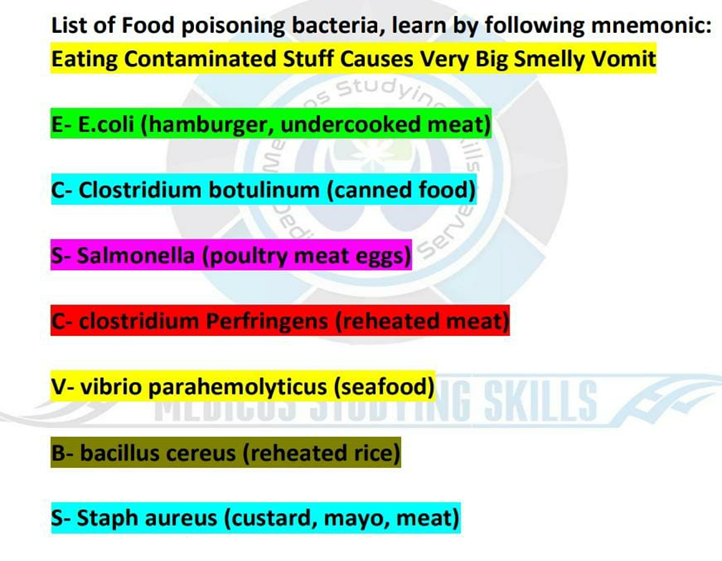
  • Bacillus (imp) caused by reheated rice
  • Corynebacterium pathogenesis and diseases (imp)
  • Read  Listeria and Gardenella

Gram -ve Cocci

  • Anwar  Chapter No. 13
  • Levinson Chapter No. 16
    • Neisseria species are imp (specially their pathogenesis and lab diagnosis)

Gram -ve Rods

  • Anwar Chapter #15
  • Levinson Chapter # 18+19
    • E.coli (most imp) it’s pathogenesis, it’s ETEC and EHEC form and lab diagnosis
    • Salmonella (imp pathogenesis, rose spots, lab diagnosis)
    • Shigella (pathogenesis)
    • Vibrio (imp pathogenesis+ rice watery stools + lab diagnosis)
    • Proteus (pathogenesis+ urease positive + staghorn canaliculi)
    • Pseudomonas (imp pigments + diseases + patho)
    • H.pylori and camplylobacter (read+ sketchy)
    • Actinomyces (only sketchy)

Spirochetes

  • Anwar Chapter No. 21
  • Levinson Chapter No. 24
  • Traponema (imp one) it’s types, pathogenesis, lab diagnosis
  • Borrelia and Leptospira (read)

Mycobacterium

  • Anwar Chapter No. 18
  • Levinson Chapter No. 21
    • Mycobacterium Tuberculosis is most imp. you should do everything (pathogenesis, diseases, lab diagnosis) (imp)
    •  Laprae (imp) and it’s two types difference

Rickettsia and Chlamydia

  • Anwar Chapter # 22, 23
  • Just do sketchy and anwar

ID-Pa-002

Parasitology

(Ayesha Batool notes are best for Parasitology)

  • Do all the parasites mentioned in your LOs from these notes

ID-Pa-003

Mycology

  • Do the following chapters from Levinson
    • Chapter 48
    • Chapter 49
    • Chapter 50

ID-Pa-004

Virology

  • Virology is more than enough from Anwar
  • Always remember imp points that will help in diagnosis
  • Complete
  • Influenza (important it’s types+ antigenic drift and shift and pathogenesis factors)
  • Measles, Mumps
  • Rabies (most imp) (it’s pathogenesis and incubation period and vaccine)
  • Rubella
  • Corona virus (important) it’s pathogenesis
  • Polio virus (imp) (it’s mode of transmission + pathogenesis + it’s vaccine types)
  • Reovirus
  • Hepatitis B is most imp among them
    • Serological findings
    • Clinical features
    • Pathogenesis
    • Window period
  • Read other hepatitis types
  • Dengue virus (very imp)
    • Dengue hemorrhagic fever hypothesis
    • Lab diagnosis
  • Just do table
  • HIV (most imp)
    • Pathogenesis
    • Cycle
    • Stages of AIDS
    • Lab diagnosis

ID-Pa-005

Microbes Causing CNS Infections

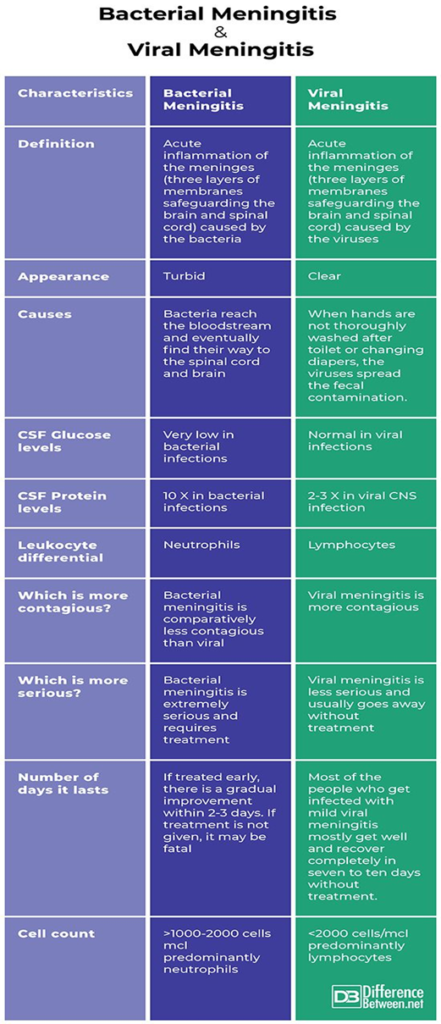
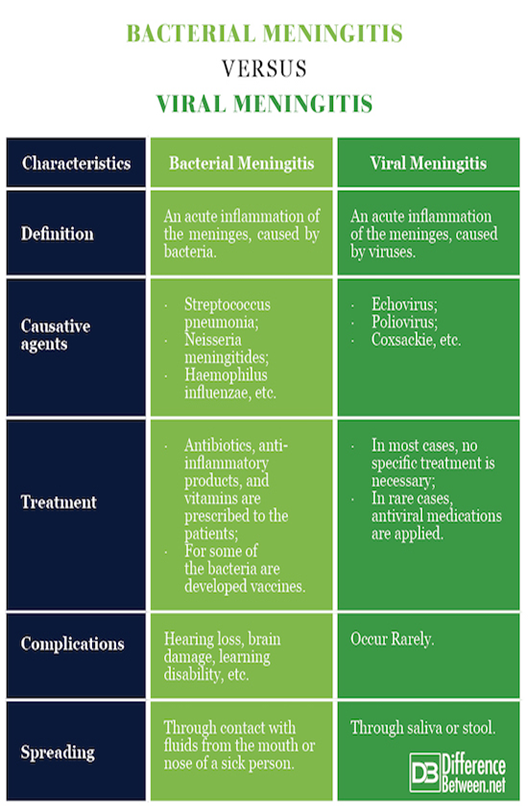
  • For meningitis this will help:
    • Less than 2 Months (Neonates and Young Infants)
      • Streptococcus Agalactiae (Group B Streptococcus)
      • Escherichia Coli (E. coli)
      • Listeria Monocytogenes
    • More than 2 Months (Infants and Young Children)
      • Streptococcus Pneumoniae (Pneumococcus)
      • Neisseria Meningitidis (Meningococcus)
    • 2-18 Years (Children and Adolescents)
      • Neisseria Meningitidis (Meningococcus)
    • More than 18 Years (Adults)
      • Streptococcus Pneumoniae (Pneumococcus)
    • Immunocompromised Individuals (e.g. HIV positive, Drug Users)
      • Listeria Monocytogenes

ID-Pa-006

  • GIT problems
  • Correlate above knowledge
  • Hepatitis guidelines mention in virology part
  • Entamoeba in parasitic part

ID-Pa-007

  • GIT infections
  • Correlate from above knowledge

ID-Pa-008

  • Rickettsia and leptospira mention in above bacteriology guidelines
  • Anthrax, Plague, Francisella, Bartonella and Brucella (do table from Anwar chapter 17 and sketchy)

Medico Guides 8th Block (Module No 18) Special Pathology Guidelines

Prepared by:

                             Savira (G13)

Compiled by:

                           Rukhsar Uns (G14)

  • Robbins and Kumar Basic Pathology (Medium Robbins) Eleventh Edition
  • Pathoma Fundamentals Of Pathology

MS2-Pa-001

  • Osteomyelitis (page 688)

Bone Tumors:

  • Table 19.1
  • Osteoid Osteoma and Ostoblastoma
  • Osteosarcoma
  • Osteochondroma
  • Chondroma
  • Ewing Sarcoma
  • Giant Cell Tumor

Soft Tissue Tumors:

  • Table 19.3
  • Tumors of Adipose Tissue
  • Skeletal Muscle Tumors
  • Smooth Muscle Tumors

Joints:

  • Osteoarthritis
  • Rheumatoid Arthritis
  • Fig 19.34
  • Table 19.2
  • Gout and Pseudogout (v. imp for mcqs and ospe station)

Paget Disease:

  • On page 686

MS2-Rh-004

  • Vasculitis (page no. 292 to 299)
  • Table 8.3

Medico Guides 8th Block (Module No 16) General Pathology Guidelines

Prepared by:

                           Alisha Athar (G13)                           

Compiled by:

                           Rukhsar Uns (G14)

NEOPLASIA

  • Robbins and Kumar Basic Pathology (Medium Robbins) Eleventh Edition
  • Anwar General Pathology 2nd Edition

N-pa-001, 002:

  • Definition of neoplasia  
  • Nomenclature
  • Learn definitions of benign and malignant tumor
  • Benign Tumors (learn adenoma, papilloma, polyp, cystadenoma)
  • Malignant Tumors (learn the point of carcinomas, hamartoma, choristoma)
  • Table 6.1
  • Characteristics of Benign and Malignant Neoplasms (definition of differentiation)
  • Features of Anaplasia (four points)
  • Definition of Local Invasion
  • Definition of Metaplasia
  • Pathways of Spread of Tumor (page 191 to 193)
  • From epidemiology (Read Environmental Factors)
  • Hallmarks Of Cancer (learn 8 points on pg 200)
  • Self sufficiency in growth signals
  • Growth Factors
  • Growth Factor Receptors
  • Page 203 (bold point for MCQ)
  • Insensitivity to Growth Inhibitory Signals (Complete till page 208 along with Fig 6.18, 6.19, 6.20)
  • Altered Cellular Metabolism (learn first three paragraphs)
  • Evasion of Cell Death (from summary)
  • Sustained Angiogenesis (from summary)
  • Invasion and Metastasis (page 214 and 215)
  • Fig 6.26, 6.27
  • Rest of the hallmarks are sufficient from summary

Things to be done from Anwar:

  • Difference between benign and Malignant Tumor
  • Components of Tumor
  • Carcinoma vs Sarcoma
  • Exceptions in Nomenclature
  • Cancer Genes (Read)
  • Table 7.8, 7.9

N-pa-003:

  • Carcinogenic agents on pg 220
  • Learn Definitions of Direct and Indirect Agents
  • Fig 6.31, 6.32
  • Viral and Microbial Oncogenesis (Read and note viruses and cancers caused by them. You can also do it from Anwar)

N-pa-004:

  • Lab diagnosis of Cancer on pg 227 (Names)

N-pa-005:

  • Grading and staging of cancer on pg 227 (learn from Anwar as well)
  • Tumor markers table from Big Robbins or from Anwar

N-pa-006:

  • Already covered in above topics

N-pa-007:

  • Paraneoplastic Syndromes on page 226 (learn definition and theory)
  • Table 6.6

Medico Guides 8th Block (Module No 19) Forensic Medicine Guidelines

Prepared by:

                                  Muhammad Haris Nawaz (G13)

Compiled by:

                             Rukhsar Uns (G14)

  • Compendium of Forensic Medicine & Toxicology by Ali Raza Chaudhary (ARC)
  • Only 15 MCQs in this block, no viva station. On broader view, mainly 2 topics are included (Traumatology & Sexual offences)
  • Almost Everything in syllabus is going to be covered from ARC, so do these 2 chapters from there

Traumatology

  • Mostly mcqs are asked about timeline of things & their colour changes like abrasion of 4 days shows which colour? etc etc
  • Similar questions about laceration, bruise, and incised wound etc are asked
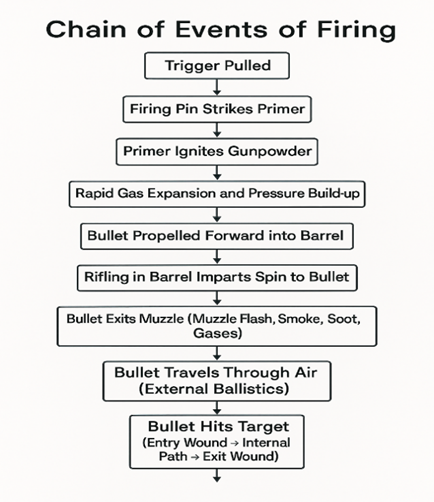
  • Firearm injuries (must do Types of Bullets)
  • Smooth & Rifle bore weapons
  • Types of blast injury
  • Thermal injuries (must do local effects due to cold)
  • Difference between antemortem and postmortem burns
  •  Rule of nine (very important)
  •  Pugilistic attitude (imp)
  •  Electrical injury (must know about fern like pattern, arcing phenomena, and the cause of death)
  • Transportation injuries, impact injuries (imp) (1°, 2°, 3°), hinge fracture, Fender fracture, dicing, clasp knife injury, bird foot injury, whiplash injury, bumper fracture, and all terms similar to that (Google them)
  • Asphyxia whole topic (v imp)
  • Drowning: PM findings (imp), Biochemical tests (v imp)
  • Getter, Strontium, Diatom test (must know)
  • Ewing postulate (read)

        Forensic Sexology

  • Potency, Impotence, frigidity, fertility,  sterility, sterilisation, virginity, defloration (Definitions are imp)
  • Pregnancy (must know about signs written in table)
  • Quickening (must know)
  • Super free condition and superfetation (v imp)
  • Abortion timeline of three stages (imp)
  • Isqat e hamal & Janine (imp)
  • Still birth and life birth
  • Battered baby syndrome (you must have an overview of the topic)
  • SIDS (its definition and other names) cot death, cribe death (imp)
  • Sexual offences (you should know their class and examples, every section like for rape it is 375 and each and every term is important here zina, rape, incest, sodomy, bestiality, Lesbianism, buccal coitus (must know their definitions)
  • Sexual deviations (must do topic)
  • In vaginal examination, read about hymen stretching, vaginal tears etc. (MCQs about clock positions are asked)

More than enough for 15 MCQs

Medico Guides 8th Block Medicine Guidelines

Prepared by:    

      Muhammad Haris Nawaz (G13)

Compiled by:

       Rukhsar Uns (G14)

  • Medicine has 20 marks in this block, almost equal to pharmacology and forensic medicine, so it needs somewhat special attention.
  • But you have major portion of pathology here, a lot of microbiology so we are going to deal with it in a smart way.
  • If we cover medicine portion from final year books, then it will be difficult to manage in the end.
  • So deal with it smartly, for major topic of this block Rheumatology, we will cover it from final year past papers (EFY) Episode Final Year and those topics that are not mentioned in this book according to our syllabus, use Chapter 3 or some other helping book, latest one.

UHS 8th Block

(Module No 16)

RADIOLOGY

(Use EFY SURGERY 1 for this topic)

  •  Mainly do MCQs at the last of the chapter where past MCQs are given.
  • Or use Chapter 3 or some other helping book (latest) to cover the MCQs. It will be more than enough.

ONCOLOGY

  • You will read a lot about oncology or neoplasia in pathology, so that will be helpful here. If you want to do from final year stuff you have to go to surgery S1, go to the topic Principles of Oncology and read past MCQs from there
  • Also use Chapter 3 or some other helping book (latest one). It will be more than enough for this topic.

UHS 8th Block

(Module No 17)

INTERNAL MEDICINE

  • Step Up Medicine 2025-26 Edition
  • Episode Final Year (EFY) Past Papers
  • Pyrexia of unknown origin, step up page 407. (Only for this topic, use step up book in pdf form)

Following 4 topics from EFY

  • From CNS chapter:
    • Meningitis
    • Encephalitis (written at the end)
  • From respiratory system:
    • Pneumonia
    • Tuberculosis

UHS 8th Block

(Module No 18)

RHEUMATOLOGY

  • Do this from EFY Medicine 1
  • You have to do the whole chapter and specifically you have to remember which antibodies are specific for which disorder. They will be asked repeatedly in MCQs.
  • In our final exams we have a clear scenario about 3 different disorders from this chapter, Gout, Rheumatoid arthritis and one from Osteoarthritis.
  • So you must have a strong grip on each and every topic because there are specific antibodies in every topic and there are specific signs and symptoms of each disease, so do them carefully.
  • Make flow charts or tables of differences among diseases and revise them it will be super easy for you.

Medico Guides 8th Block Surgery Guidelines

Prepared by:    

     Muhammad Haris Nawaz (G13)

Compiled by:

                            Rukhsar Uns (G14)

UHS 8th Block

(Module No 16)

  • 20 Marks of this subject in your block 8, so we have to manage other subjects along with that we will deal with it in a smart way.
  • Use Episode Final Year (EFY) past papers of final year (more than enough for this topic)
  • If you find something missing or inadequate, do it from chapter 3 or some other latest helping book.

    PRINCIPLES OF ONCOLOGIC SURGERY

  •  Use SURGERY S1, Chapter 9 (Mainly do past MCQs)
  •  Give read to chapter 3 for this topic (do MCQs from there)

UHS 8th Block

(Module No 17)

SURGICAL SITE INFECTION & ANTIBIOTIC PROPHYLAXIS

  • Do these topics either from Google or read from Helping books (Medico Express, Chapter 3) etc.

UHS 8th Block

(Module No 18)

ORTHOPEDICS

  • A Comprehensive Approach to the Principles of Systemic Surgery by Dr. Abdul Wahab Dogar 2nd Edition
  • Episode Final Year (Past papers)
  • Mainly do topics from EFY, then give a read to Dogar or Chapter 3 if you find something missing.

AO classification (v imp)

  • Principles of fracture healing
  • Difference between complete and incomplete fractures
  • Salter- Harris classification (very imp)
  • Management of pediatric fractures
  • Osteoporotic fractures, sites and risk factors
  • Pathologic fractures, difference from traumatic and their management
  • Sports injuries in upper and lower limbs
  • Ankle sprain (v imp)
  • Achondroplasia and Marfans syndrome → features, management.
  • Osteogenesis imperfecta → features, management.

MS2-Orth-008(b)

  • Scoliosis → types, management, rehabilitation

                                                                        SURGICAL TRAUMATOLOGY

  •  Episode Final Year S1
  • Skip first 2 topics of this chapter
  • ATLS → ABCDE and trauma management
  • All the traumatic injuries and their ATLS interventions (v imp)
  • Causes and features of traumatic injuries
  • Primary survey
  • Traumatic Brain Injury
  • Spinal injury
  • Do torso trauma (tension pneumothorax) (v easy and imp)
  • Regarding brain injury, you can also give read to Chapter 9 of Surgery S2 EFY Neurosurgery. Just 2 topics, subdural & extradural hematoma
  • Do topic of Maxillofacial Trauma from Chapter 7 head & neck (orodental surgery)
  • Extremities Trauma comes in Chapter 4 MSK surgery
  • Must read the hack written above
  • About topics of flail chest, tamponade, pneumothorax, you will study these in block 9 in very detail, so just give read from Chapter 5 Thorax of S2, you’ll have idea

Medico Guides 9th Block Pharmacology Guidelines

Prepared by:

                 Shahr Bano Sayal (G12)

Compiled by:

                 Talha Saleem (G12)

  • Mini Katzung Pharmacology Edition 2024-25
  • Ali Raza Chaudhary Notes

CARDIOVASCULAR SYSTEM

  • There are only five chapters in this section and all of them are very important.
  • The study pattern is the same; first memorize drug classifications from ARC notes and then study the complete topic from Katzung.
  • Stages of hypertension
  • High yield terms: End organ damage, essential hypertension, hypertensive emergency, orthostatic hypertension, rebound hypertension, secondary hypertension
  • Start chap from Diuretics heading
  • Table 11.1(vvvvvv imp, it was our proff seq)
  • Figure 11.1
  • Sympathoplegics (all are vvv imp methyl dopa and clonidine k uses and adverse effects)
  • Vasodilators (table 11.2 is vv imp)
  • Ca+ blocker k uses and adverse effects
  • Hydralazine and minoxidil (both require combination use with B blocker and Diuretics)
  • Nitroprusside and fenoldopam
  • Angiotensin and renin inhibitors (vv imp)
  • Why ACE inhibitors are prohibited in renal stenosis?
  • Hypertensive emergency (v imp)
  • Summary
  • Angina def and types (vv imp)
  • High yield terms: Monday disease, double product, myocardial revascularization, preload and afterload
  • Therapeutic strategies (give a read)
  • Nitrates uses, MOA, organ system effects, clinical uses and toxicity (vv imp)
  • Figure 12.4 (vv imp)
  • Nitrites use in cyanide poisoning (seq in pharma and in forensic aslo)
  • Ca+ channel blockers and B blockers (v imp)
  • Table 12.1 (SEQ) (v imp)
  • Newer drugs
  • Summary
  • Def of heart failure
  • Fig 13.2
  • Cardiac glycosides (digitalis types, MOA, mechanical and electrical effects clinical uses, toxicity and correction) (vvvv imp)
  • Table 13.2 (SEQ)
  • Read rest of chapter and summary
  • Classification (Seq)
  • Start chap from Group 1 antiarrhythmic, uses and toxicities
  • Group 2 MOA, uses and toxicity
  • Group 3 Uses and toxicities
  • Amiodarone toxicities (it causes Smurfs syndrome blueness)
  • Group 4 (v imp)
  • Miscellaneous drugs
  • Non pharmacological treatment
  • Read figure 14.4
  • Summary
  • Classification (SEQ)
  • Carbonic anhydrase inhibitors effects MOA, uses and adverse effects)
  • Table 15.1(SEQ) (vv imp)
  • Loop diuretics (v imp) (MOA, uses and adverse effects and contraindications also)
  • Thiazide Diuretics (vvvv imp) (effects uses and toxicities)
  • Loop diuretics causes kidney stone formation and Thiazide Diuretics treats kidney stones
  • Why Thiazide Diuretics Dec urine excretion despite Diuretics?
  • K sparing diuretics
  • Osmotic Diuretics (vv imp)
  • Antidiuretic hormone and antagonist (v imp)
  • Summary

AUTACOIDS

  • Must do the classification of all drugs
  • Histamine is vvvvvv imp
  • Table 16.1 (vv imp)
  • Difference btw 1st generation and 2nd generation antihistamines
  • Clinical uses and toxicities
  • Serotonin receptors and their location
  • Table 16.2
  • Clinical uses and toxicities (vv imp)
  • Ergot alkaloids classification
  • Just clinical uses and toxicity
  • Drugs of migraine (Dr Ajmal’s notes) (vv imp)
  • Classification
  • Location of COX 1 and COX 2
  • Figure 18.1
  • Effects
  • Clinical uses (SEQ) (vv imp)
  • Classification from ARC notes
  • Do this whole chapter from Kaplan and add Ayesha Batool Shortlisting (vv imp)
  • Opioids classification on basis of strength, on basis of clinical uses
  • It’s better to do it from Dr Ajmal’s notes
  • Pharmacokinetics, types of receptors
  • Peptides names
  • Fig 31.2
  • Acute and chronic effects (v imp)
  • Toxicities (vv imp)
  • Tramadol and tapendtadol (vv imp)
  • Antagonist names and uses (v imp)
  • Summary (vv imp)
  • Classification of drugs
  • Whole chapter is imp
  • Mechanism of action of each drug is v.v imp
  • Drug interactions is imp

Medico Guides 9th Block Medicine & Surgery Guidelines

Prepared by:    

                        Roha Gul (G9)

Compiled by:

                  Hafiz Muhammad Umair Noor (G12)

MEDICINE

Reference Book: Davidsons Principles and Practice of Medicine

  • Clinical features of bronchogenic carcinoma – Davidson pg 599
  • Extrapulmonary manifestations written in a table on pg 601
  • Investigations- Davidson pg 601
  • Treatment and management written on pg 602
  • Pleural effusion – Davidson pg 562 to 564 (all concepts covered)

SURGERY

  • Do complete chapter 10 from Dogar General Surgery
  • Do complete chapter 32 from Dogar Systemic Surgery

Medico Guides 9th Block Forensic Medicine Guidelines

Prepared by:

                 Kisa e Zahra (G12)

Compiled by:

                 Talha Saleem (G12)

  • NRA Forensic Medicine 2nd Edition
  • Shahbaz Forensic Medicine 6th Edition

LAW & EVIDENCE

For3-L-001:

  • Chapter 2 NRA Laws definition and its different types (vv imp)

For3-L-002:

  • Chapter 2 NRA page 8 levels of law + fig 2.3

For3-L-003:

  • Chapter 2 NRA table 2.5 (imp)
  • Legal procedures + def of exception and presumption +
  • Mc Naughton’s rule (vv imp)
  • Durhams rule + plea of insanity (vv imp for seq)

For3-L-004:

  • Chapter 2 NRA court evidence and its types(imp) + table 2.3 (vvimp) dying declaration and deposition
  • Shahbaz 6th edition chapter 12 Witness and its types

For3-L-005:

  • Chapter 2 NRA Presumptions and exception (imp)
  • Insanity and immaturity, intoxication
  • Plea of insanity (imp) Durham’s and mc Naughten’s rule
  • Shahbaz 6th edition chapter 14, Page 307 illusion hallucinations definitions +table pg 310 true and feigned insanity + testimentary capacity pg 309

For3-L-006:

  • NRA chapter 3 consent definition and its types + from Shahbaz chapter 13 page 290
  • Valid and invalid consent + procedure (Shahbaz) complete topic

For3-L-007:

  • NRA chapter 3 Medical ethics principles of ethics read

For3-L-008:

  • NRA chapter 3 Professional misconduct def + table 3.3 + professional secrecy + privilege communication and types with fig 3.7 (vvimp)

For3-L-009:

  • Chapter 3 NRA Professional negligence (imp) types + diff with professional misconduct

For3-L-010:

  • NRA chapter 3 fig 3.1 + page 11 just read

For3-L-011:

  • Shahbaz chapter 11, pg 234 hadood ordinance section 2,4,6 (vimp) natural and unnatural sexual offences
  • Chapter 4 NRA table 4.8 + pg 32 complete read

For3-L-012:

  • NRA chapter 4 Qisas and diyat table 4.2 (vv imp for mcqs + imp seq) classify hurt and its types( vv imp )
  • Classify qatl table 4.5 (vimp)
  • Qisas diyat definitions from Shahbaz

For3-L-013:

  • Shahbaz chapter 14 Forensic psychiatry
  • NRA chapter 3 page 18,19 (imp seq)

For3-L-014:

  • Shahbaz chapter 15 Child abuse (imp)
  • Battered baby syndrome and caffey syndrome

For3-L-015:

  • NRA chapter 4 pg 32 ancient law read

For3-L-016:

  • NRA chapter 4 page 32,33

For3-L-016:

  • NRA chapter 4 page 34 disablement

For3-L-017:

  • Health commision act

For3-L-018:

  • Consumer’s protection act

For3-L-019:

  • Chapter 4 NRA euthanasia def + its views

For3-L-020:

  • NRA chapter 4 table 4.4 (imp)                                    

GENERAL TOXICOLOGY

For3-TOX-001:

  • Shahbaz section 2 general toxicology
  • Branches for mcqs
  • Types of poisoning (vvimp for seq + mcqs)
  • Classification imp

For3-TOX-002

  • Drug and poison difference
  • Modes of actions of poisons
  • Legal classification

For3-TOX-003

  • Route of administration metabolism and absorption (vimp)
  • Factors modifying actions of poisons (vvimp)

For3-TOX-004

  • Duties of doctor (vvimp)

For3-TOX-005

  • Shahbaz pg 363 diagnosis of case in living

For3-TOX-006

  • General principles in treatment pg 366-368
  • Emesis and gastric lavage (vvimp)
  • Complications and contraindications of gastric lavage (vvv imp for mcqs + seq)
  • Antidotes(vvvvimp)
  • Activated charcol vimp
  • Universal antidote imp
  • Chelators imp
  • Methods of removal of absorbed poison
  • Drunkenness definition

For3-TOX-007

  • medicolegal imp of poisoning case

For3-TOX-008

  • Get an overview of mentioned topics

SPECIAL TOXICOLOGY

For3-TOX-009:

  • Corrosives complete topic
  • Vitriolage (vimp)

For3-TOX-010:

  • Vitriolage same as above
  • Nitric acid + sulphuric acid imp for mcqs + major diagnostic points
  • Oxalic acid (vvv imp) Christians saying in oxalic acid fetal period + doses
  • Carbonic acid (imp)

For3-TOX-011:

  • Snake poisoning complete (vv imp) mcqs + seqs

For3-TOX-012:

  • Inorganic poisons arsenic, lead, mercury, phosphorus (imp)
  • Features, mode of actions
  • Medicolegal importance, fatal periods, fatal doses, treatments (complete)
  • Read remaining for mcqs point of view

For3-TOX-013:

  • Organophosphate (vvvv imp)

For3-TOX-014:

  • Dhatura, Cannabis, cocaine, Strychnin poisoning vvv imp
  • Mode of action, features, treatments, fetal doses and fetal period
  • Run amok in cannabis poisoning
  • Cocaine bugs in cocaine poisoning

For3-TOX-015:

  • Barbiturates read

For3-TOX-016:

  • Opium (vvvv imp)
  • Drug dependence+ drug habituation
  • read remaining poisons

For3-TOX-017:

  • Ethyl alcohol (vvvv imp) proff seq
  • Stages medicolegal imp clinical features
  • MacEwan’ sign
  • Complete vvv imp

For3-TOX-018:

  • Carbon monoxide (vvvvimp) Complete
  • Read hydrogen sulphide

For3-TOX-019:

  • Cocaine (vvvimp) x-ray findings + autopsy findings complete topic
  • Read others stimulants of CNS

For3-TOX-020:

  • Kerosine oil + read all

For3-TOX-021:

  • PPD read

FORENSIC SEROLOGY

  • Shahbaz section 3, Page 451, just do your code wise mentioned topics
  • Must read all tests for examination and medicolegal importance