Medico Guides 1st Block (Module No 02) Physiology Guidelines

Prepared by:

                      Warda Mehmood (G15)

Compiled by:

                     Hafiz Muhammad Umair Noor (G12)

  • Guyton and Hall Textbook of Medical Physiology 14th Edition (Chapter numbers are mentioned according to this edition)
  • NIMS Blood Physiology (Only for Topic of Blood)
  • Jaypee Essentials of Medical Physiology 6th Edition

BLOOD PHYSIOLOGY

  • Anemia (v.v.v imp)
  • Etiological classification from Guyton
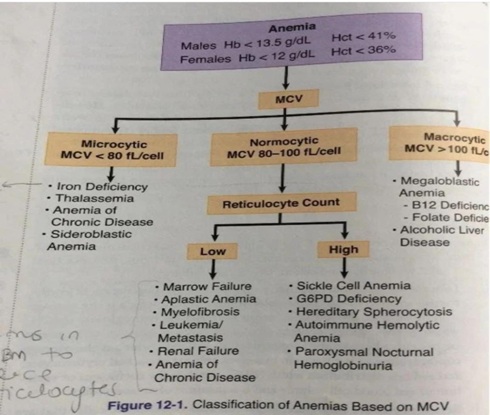
  • Morphological classification from NIMS (Pic is given here)
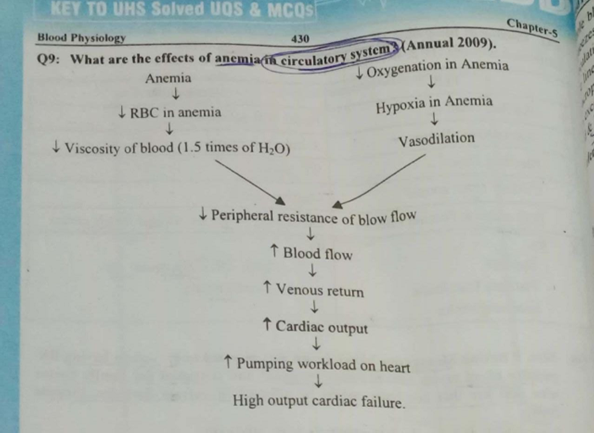
  • Effect of anemia: Make a flow chart of it. (Pic is given below, also in paragraph of guyton under Heading : Effects of anemia on circulatory system pg 446)
  • Polycythemia (Guyton)
  • Secondary Polycythemia (Physiological) (For MCQs)
  • Polycythemia Vera/ Erythremia (Pathological)

(Do their comparison)

  • For effects of Anemia and Polycythemia make flowcharts (imp)
  • Immunity (Definition)
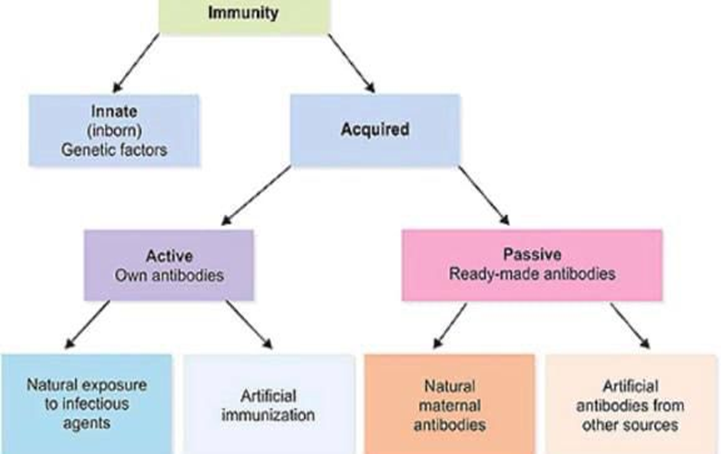
  • Types of immunity (pic is given below)
  • Innate immunity (Definition along with four points)
  • Acquired immunity (Definition)
  • Difference b/w humoral and cell mediated immunity
  • Concept of antigen and epitope
  • Pg 460-462, Figure 35.1 for understanding (read for concept and mcqs)
  • Antibody formation by plasma cells
  • Formation of memory cells enhances antibody response to subsequent antigen exposure (imp)
  • Figure 35.3
  • Nature of antibodies
  • Classes of antibodies
  • Mechanism of action of antibodies (direct and complement system) v imp
  • Fig 35.6 (imp)
  • Antigen presenting cells, major histocompatibility complex proteins (imp)
  • Different types of T cells (complete topic till pg 468 along with fig 35.8) imp
  • Table 35.1 (types of T helper cells viva question) 
  • Tolerance of acquired immunity system to body own tissue (Def imp for viva)
  • Active and passive immunity (diff v imp)
  • Allergy and hypersensitivity (complete) high yield mcqs (v imp)
  • Page 471-473 give a good read for better understanding
  • RH incompatibility (erythroblastosis fetalis) v.imp for viva and mcqs
  • Transfusion reactions from mismatched blood types 
  • Transplantation of tissues and organs (complete topic till page 476)
  • Transfusion reactions due to ⁠ABO incompatibility (jaypee chap 21 page 141-142 read from there)
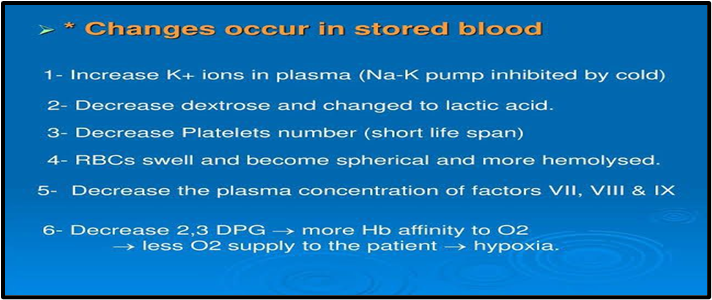
  • Changes in stored blood (pic is shared in the group)
  • Hemostasis (Def)
  • Events in hemostasis (imp seq)
  • characteristics of platelets
  • Vascular Constriction (Complete)
  • Formation of platelet plug(complete)
  • TABLE 37.1(Complete) , pneumonic to learn it : Foolish People Try Climbing Long Slopes After Christmas Some People Have Fallen
  • Mechanism of blood coagulation (Complete)
  • Fig 37.3 (imp)
  • Extrinsic and Intrinsic pathway (v.v.imp)

                difference btw them (along with figures)

  • Anticoagulants for clinical use
  • Intravascular anticoagulants
  • Role of Calcium 
  • Blood coagulation test
  • Conditions that cause excessive bleeding (Hemophilia, Thrombocytopenia, Vitamin K) (vimp)
  • (Must do this chapter from Guyton)
  • Stimulus for Intrinsic pathway:
  • Internal damage
  • Glass contact
  • Blood trauma
  • Test tube coagulation 
  • Stimulus for Extrinsic pathway:
  • Surgery
  • Inflammation
  • Shave cut
  • Knife cut
  • Vitamin K dependent CF -> 2,7,9,10
  • Bleeding Time increase in >>> Thrombocytopenia
  • Clotting time increase in. >>> Hemophilia
  • Purpura (Tendency of spontaneous hemorrhage beneath skin, internal organs.
  • Thrombocytopenic purpura
  • Multiple subcutaneous hemorrhage
  • Poor constriction of blood vessel
  • Dec platelet count
  • Clot retraction deficiency
  • Non-Thrombocytopenia   
  • Functionally defective platelet (Thrombasthenia)
  • Platelet count normal
  • Due to allergy
  • Infection

Medico Guides 1st Block Embryology Guidelines

Prepared by:

Zuha Iftikhar (G14)                    

Khansa Noor (G15)

Compiled by:

                     Hafiz Muhammad Umair Noor (G12)

UHS 1st Block

  (Module No 01)

  • Langman Medical Embryology 14th Edition (Latest)
  • KLM
  • These are Mentioned as per the Latest UHS Curriculum of Session 2025-2026

Lecture videos: For lectures, you can watch medico visuals or ninja nerd videos for better understanding. For simple explanation of langman book or revision, you can go for brainless medicos.

  • Do not need to do this chapter as nothing from this is mentioned in your LO’s.
  • Primordial Germ Cells
  • Clinical correlate  Teratomas (pg.14)
  • Chromosome theory of Inheritance (just give Read )
  • Mitosis/Meiosis (You already know about it, Just Do it as Mentioned in Learning Objectives, Difference form)
    • Result of meiotic divisions (important)

Clinical correlates from pg #17-24 are very important.

  • Numerical Abnormalities (Important)
    • Important terms: i) Euploid ii) Aneuploid iii) Trisomy iv) Monosomy v) Nondisjunction vi) Translocations (Do it for MCQ POV)
    • Trisomy 21 Down Syndrome (You have to do all the clinical Presentations , Make sure to Memories them through visual Image, these are mostly asked in OSPE) Do Definition /concept of Mosaicism given in it. (imp). Figure 2.7 and 2.8 is also asked in OSPE, so also go through it)
    • Trisomy 18, Trisomy 13, Turner Syndrome, Triple X syndrome ( Clinical presentations through visual Image, they are given in OSPE with diagram to identify the syndrome)
    • Klinefelter Syndrome (Annual system Past Paper SEQ)
      • Do All abnormalities for Scenario-Based SEQ & MCQs
  • Structural Abnormalities (Important)
    • Cri-du-chat Syndrome, Angelman Syndrome very Important, Prader-Willi Syndrome Very important, Miller Dieker Syndrome, Fragile X Syndrome
      • Do Remember which Chromosome is involved in a Particular Abnormality for MCQs
    • Important Terms(pg#25) : i) Deletion ii) Microdeletion iii) Fragile Sites iv) Genomic Imprinting (Viva Qs) Do these for MCQ POV just
  • Gene Mutations:
    • Just Remember these terms: i) Single Gene Mutation (only definition) +dominant and recessive mutation
    • ii) Mosaicism (pg. 19)
  • Diagnostic Techniques (not important Just Do the Names only)
  • Oogenesis* Important Do complete till End
    • Prenatal= before Birth, Postnatal= At puberty/After Birth (You can do these Topics from KLM as well if you want, otherwise Langman is Good to Go)
  • Spermatogenesis* Important Do complete till End

For oogenesis and spermatogenesis, lectures on the medico visuals are very good.

  • Clinical Correlate Abnormal Gametes (pg.32)

After Doing the Complete Chapter, Go through Problems to Solve at the End once, Key given at the End of the Book.

  • Ovarian Cycle, Ovulation Complete.
  • Corpus Luteum (Formation, Function, Fate) Corpus Albicans, Oocyte Transport Complete
  • Clinical correlate Mittelschmerz (pg.36)
  • Fertilization pg.38-41 (Define, Phases, Results) Complete very Important :
    • i) Capacitation ii) Acrosome Reaction (MCQs, SEQs, Viva Qs)
  • Clinical correlate Contraceptive Methods*, Infertility* Complete
  • Cleavage, Blastocyst Formation, Epiblast, hypoblast & Axis formation Complete

Clinical correlate Embryonic Stem Cells, Adult Stem Cells, Abnormal Zygotes (Spontaneous Abortion) Complete

  • Uterus at the Time of Implantation (imp)

Also it is important to memorize that which event is happening on which day(mentioned under diagrams).They are often asked in MCQs.

After Doing the Complete Chapter, Go through Problems to Solve at the End once, Key given at the End of the Book.

  • Why is it called rule of 2? Because of Embryonic Disc Layers , Trophoblast Layers , Two cavities, extraembryonic Mesoderm Layers.
  • Do All Days, and after Reading All Days, Shortlist the Points at the Side of Each Day, This way:
  • Important Terms: i) Layers of Trophoblast ii) Amniotic Cavity iii) Lacunar Stage iv) Exocoelomic cavity v) Uteroplacental Circulation vi) Decidua Reaction(pg.53) vii) Primary Villi
  • Clinical correlate (Very Important SEQ):
    • Abnormal Implantation CompleteEctopic Pregnancy/Extra uterine Important  SEQPouch of Douglas, Primary ovarian pregnancyHydatidiform Mole / Molar pregnancy Important SEQrimary ovarian pregnancyHydatidiform Mole / Molar pregnancy Important SEQ
    • Genomic Imprinting Viva Qs

After Doing the Complete Chapter, Go through Problems to Solve at the End once, Key given at the End of the Book.

  • Gastrulation Complete
    • Primitive Streak (Formation & Fate) Fate is given in the Fate Map Topic(pg.65). Write It Here, By shortlisting.
  • Formation of Notochord Important Past Paper SEQ , This topic is Better Explained In KLM Chapter 4.
    •  Do it from KLM & then Read it from Langman as well and then Summaries it here, This Way on Langman:
    • Establishment of Body Axes (not important, You can Skip it)
    • Fate Map Establishment During Gastrulation *
    • Growth of Embryonic Disc
    • Clinical Correlate Complete Very Important
      • Holoprosencephaly
      • Caudal Dysgenesis (Serinomelia) UHS Past paper Modular System 2023 Qs, This Question Came as exact Statement given in Problems to Solve Qs 3 of this Chapter.
      • Sacrococcygeal teratomas
      • Situs solitus, situs inversus, laterality defects, situs ambiguous (heterotaxy)
      • Kartagener Syndrome (Important)
    • Development of Trophoblast (Do villi from here)

    After Doing the Complete Chapter, Go through Problems to Solve at the End once, Key given at the End of the Book.

    • Derivatives of Ectoderm (Important)
      • Do it once from Langman and then Derivatives From a Diagram Given in KLM Chapter 5, All germ layer Derivatives summarized form:
    • Just give read to molecular regulation of neural induction (not important)
    • Neurulation (Very Important SEQ, Past Paper) Do it from KLM & Langman Both & then summaries it in the form of Points on Langman. From KLM Chapter 4.
    • Neural Crest Cells ( Derivatives) Do take concept of it , its role , Table 6.1 (Important)
    • Derivative cells from dorsal and ventral pathway are asked separately or they may ask overall derivatives of neural crest cells.(till pg.79)
    • Molecular Regulations are Not Important , If you want Learn just names of Some Involved ( Not seen in Any Past Paper MCQ, SEQ , VIVA)
    • Clinical correlate (Important):
      • NTDs(neural tube defects) i) Anencephaly ii) Spina bifida & its Types ( Types are Given in chapter 10 second Last Clinical correlate pg. 158) Often Asked.
      • Folic Acid (imp)
    • Derivatives of Mesoderm ( Paraxial , Intermediate, Lateral ) Better to do it from KLM diagram shared above but also give read to langman.
    • Molecular regulation of somite formation and differentiation (skip it)
    • Somite Differentiation (Important)
    • Blood and Blood Vessels Complete (skip the molecular regulation)
    • Clinical correlate (Important):
      • Capillary Hemangiomas*
    • Derivatives of Endoderm Better to do from KLM diagram
    • Folding of Embryo(imp) Better to Do it from KLM Chapter 5 for better understanding   or You can do it from Langman given Under heading of Endodermal Derivatives.
    • Homeobox Gene (not included in syllabus)
    • External Appearance During 2nd Month:
      • Terms to remember : i) Crown-rump length ii) Make points of Changes in appearance ( MCQ POV)
    • Clinical correlate: Birth Defect MCQ POV Just read once

    After Doing the Complete Chapter , Go through Problems to Solve at the End once, Key given at the End of the Book.

    • Chapter 5 Table 5.1 or You can Read Theory of Highlights of Fourth to Eight Weeks (MCQs)
    •  Chapter 5, Estimation of Embryonic Age, Estimation of Gestational & Embryonic Age.
    • Chapter 6, Viability of fetuses, Highlights of Fetal period, Factors influencing Fetal Growth (Just Names)
    • Chapter 6, Procedures: (Important MCQs)
      • Diagnostic Value of Amniocentesis, Alpha fetoprotein Assay, Chorionic Villi Sampling
    • Development of fetus, monthly changes Time of birth (Just Read for MCQs, not imp)
    • Clinical correlate:
      • Low birth weight
      • IUGR & SGA
    • Fetal Membranes & Placenta with diagram (UHS past Paper Qs)
    • Changes in trophoblast , chorion frondosum & decidua Basalis , Structure of Placenta , Full-term Placenta , Circulation of Placenta (complete do it as they are Important).
    • Why human placenta is considered hemochorial type? : it was asked in our proff (pg.116)
    •  Diagrams are very important as they are often asked in OSPE.
    • Functions of Placenta ( Just read Once for MCQs)
    • Amnion & Umbilical Cord ( Just Read Important Viva Qs )
    • Placental Changes at the End of Pregnancy ( UHS Past Paper Modular System 2023 )
    • Amniotic fluid ( Read for MCQs)
    • Fetal Membranes in twins Complete Important
    • Parturition (imp)
    • Fetal membranes in twins ( dizygotic and monozygotic twins)
    • Clinical correlate:
      • Preeclampsia pg.12 (Important)
      • Fetal Hydrops & Erythroblastosis fetalis
      • Placental Barrier (Read once)
      • Umbilical Cord abnormalities, Amniotic bands , Polyhydramnios* , Oligo*
      • Premature Rupture of Membrane
      • Vanishing Twins pg.124 ( Past Paper UHS 2023 )
      • Twin-twin transfusion
      • Conjoined twins (diagrams are important for OSPE)
      • Preterm Birth*

    After Doing the Complete Chapter , Go through Problems to Solve at the End once, Key given at the End of the Book.

    • Principles of teratology (pg.130)
    • Table 9.1 Rubell, Toxoplasmosis, X-rays, Hyperthermia, Thalidomide, Warfarin, ACE inhibitors, Alcohol (Important Viva Qs)
    • Zika Virus, Antidepressant drugs (pg.133)
    • Prenatal Diagnosis (pg.139): Read All Once and Mark MCQs & Viva Qs
      • Maternal Serum Screening(pg.142)
      • Ultrasonography (pg.139)
      • Chorionic villi sampling (pg.142)
      • Stem cell Transplantation & Gene therapy (Just read not Important)

    UHS 1st Block

    (Module No 02)

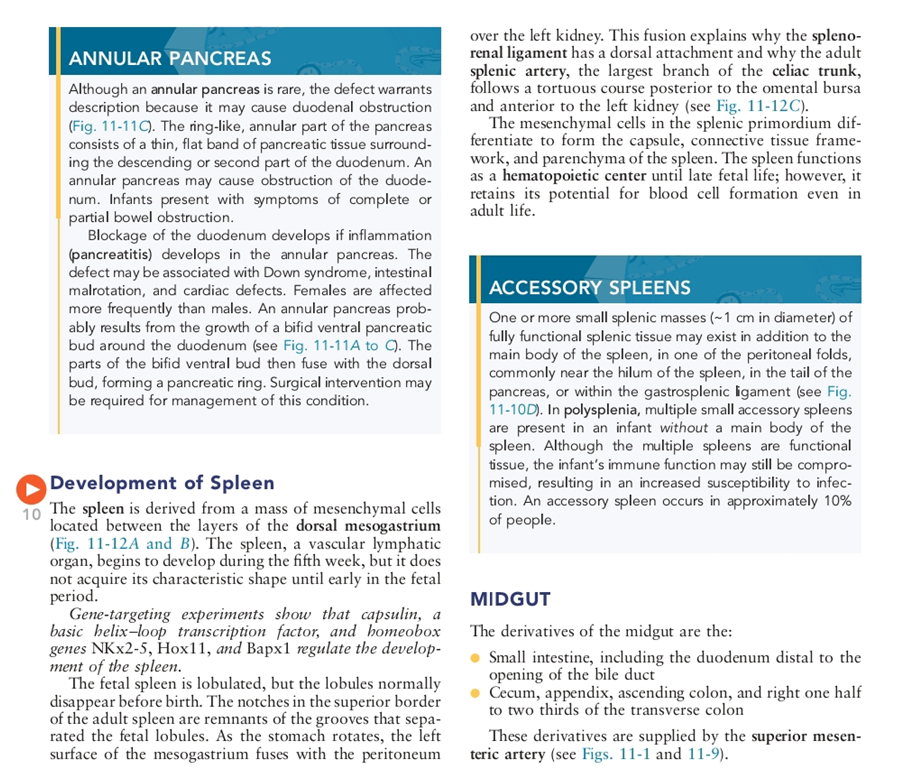
    • Development of spleen (Important for Viva & MCQs)
      • Accessory Spleen (Important)
      • Origin of Spleen

    Medico Guides 1st Block General Anatomy Guidelines

    Prepared by:

                         Hadia Shakeel (G15)

    Compiled by:

                         Hafiz Muhammad Umair Noor (G12)

    UHS 1st Block

      (Module No 01)

    • General Anatomy by Laiq Hussain 7th Edition (Chapter numbers are mentioned according to this edition)
    • Do watch the lectures of mkh doctor zone on YouTube before you start dealing with any Chapter of GA.
    • Give special importance to the classifications mentioned in the book as they are very important from MCQ point of view.
    • Do all the classifications from the notes first and then read the text written in the book
    • Make sure to go through the entire text of a single chp as anything can be asked in context of MCQ
    • There are some of the subtopics mentioned in LOS that are not written in Laiq Husaain. Out of these most are the definitions. Cover these from any short book such as Chapter 1. Mcqs for general anatomy come from General Anatomy by Laiq Hussain however to ensure that none of the topics has been overlooked it is essential to cover these topics from short books.
    • Give a proper read to the branches of Anatomy
    • Mark mcqs from History of Anatomy
    • Anatomical variation is important
    • Planes most imp.
    • ‎Anatomical position imp.
    • ‎Anatomical movements of hand arm head etc for Viva but can also be asked in the mcqs
    • ‎Laterality terms
    • Functions of bone
    • ‎Classification from all aspects along with the examples of each respective class v.v.imp
    • Markings on a bone are imp for Viva but they can also be asked in the MCQS
    • Regional distribution of bones
    • ‎Shafts epiphyses and diaphysis of long bone
    • Types of ossification can be asked in MCQS
    • ‎Types of epiphyses v.imp for mcqs
    • ‎Rule of ossification
    • Blood supply of long bones(Arterial supply and venous drainage) v.v.imp do it from notes
    • Recommended lecture selfless medicose
    • Bone injury and repair
    • ‎Healing of fracture
    • ‎Cartilage difference v imp from notes
    • Almost whole chp imp
    • ‎Classification of joints on all basis v.v.v imp
    • ‎Diarthroses with features from notes then give read to book v v imp
    • ‎Movements imp
    • ‎Classification of synovial joints from all aspects v.v.v.imp
    • ‎Factors of joint stability mcqs
    • ‎Nerve and blood supply read
    • ‎Hilton’s Law favourite question
    • Joints injuries and diseases mcqs
    • Functions of muscle
    • Muscular tissue and its varieties just read
    • ‎Classification on all basis v vv imp
    • ‎Red white intermediate fibres imp
    • Connective tissue  associated with skeletal muscle go through it properly
    • Connective tissue components of skeletal muscle give a very good read to it
    • Give a good read to the topics discussed from pg no 85 to 89
    • Give a read to the naming of muscles and blood supply of muscles
    • Nerve supply and motor unit imp
    • ‎Contraction of muscles and their diff imp
    • ‎Paralysis also has imp mcqs
    • ‎Fascia aponeurosis raphe synovial bursa and sheath new terms for u so do it also
    • General structure of blood vessels
    • Mark MCQS from page no 99 to 101
    • ‎Classification of all vessels on all basis capillaries most imp
    • ‎Metarteriole and thoroughfare channel
    • ‎Anastomosis most imp also has mcqs
    • Circulatory routes just read
    • AV shunts and glomus bodies
    • ‎Portal system imp viva & written qs
    • Vascular supply of blood vessels
    • ‎Lymph vascular system complete
    • Functions of skin
    • ‎Epidermis and dermis
    • ‎Appendages of skin full of mcqs
    • ‎lines of cleavage read+concept
    • ‎Skin Burns (from pic given below)
    • Skin infections and Skin Grafting ( Not given in Laiq Hussain. From Tassaduq Husaain General Anatomy pg 11)
    • Clinical correlates of skin from any short book
    • Give a read to introduction
    • ‎classification morpho and functionally
    • ‎Supporting cells imp
    • ‎Gray white matter lemniscus mcqs
    • CNS and PNS
    • ‎Cranial nerves name v.imp
    • ‎Spinal nerves and ganglia
    • Somatic and visceral nervous system
    • Functional classification of peripheral nerve fibres
    • ‎Plexus names and dermatome
    • ‎Classification of receptors v.imp (proff mcq)
    • Autonomic nervous system
    • Sympathetic nervous system
    • Parasympathetic nervous system
    • ‎4 parasympathetic ganglia ….has imp MCQS in it
    • ‎Enteric nervous system
    • Give a good read to the entire chp and mark MCQS from it
    • Carefully do all diagrams of imp topics from Laiq Hussain GA along with theory. By that your Ospe will be prepared side by side with your written exam.

    UHS 1st Block

      (Module No 02)

    • ‎From Snell’s anatomy latest edition
    • Cover the remaining los related to Spleen either from medicnetic or the Chapter 1.

    Medico Guides 1st Block Histology Guidelines

    Prepared by:

                         Warda Mehmood (G15)

    Compiled by:

                         Hafiz Muhammad Umair Noor (G12)

    UHS 1st Block

      (Module No 01)

    • Block-1 Histology should be Done in detail Once, Study it Once thoroughly and Make Notes or Shortlist it accordingly for Your Ease, whatever Method suits You.
    • Block-1 Histology has a bit lengthy syllabus, Rest 2 Block Histo is very Easy
    • In Recent Proff Papers (Annual & Supplementary), Histology Questions (SEQs) from Block-1 came, so it should not be ignored as this year’s exam would be mcqs based so don’t forget to study it thoroughly.
    • In last year’s college block, mcqs were deep and bit tough from laiq hussain histology’s text but in proff they were relatively easy but you must be prepared for any situation.
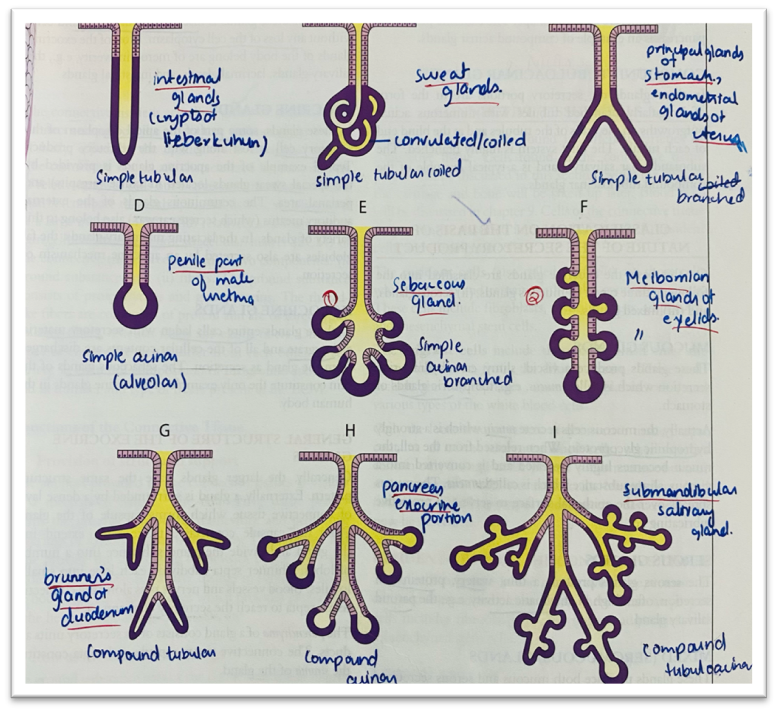
    • Diagrams are very important ( practical Ones these are Asked in SEQs mostly), 1st year diagrams are quite easy but as you all know Paper pattern is now mcqs based so you have to prepare diagrams solely for OSPE and to learn text for visual memory. Every diagram is important (frequently asked in exams)
    • Histology’s trick is the same as that of Gross anatomy (Visual memory), Visualize the Pictures and its features! That’s all they ask.
    • It is recommended to go through the book’s text for at least one time and underline on book for mcq pov and for subsequent revisions you can use your own hand written notes.It would be easy to tackle mcqs.
    • In the guidelines, don’t get confused if any topic is mentioned important for SEQ , you will be asked MCQ’s in paper so don’t skip any topic.
    • Medical Histology by Laiq Hussain Revised 8th Edition (Chapter numbers are mentioned according to this edition)
    • DiFiore’s Atlas of Histology
    • Shortlisted notes of histology are also shared in the group (By Zayn ul Hassan from G12) & if you want to Make Your Own Notes or shortlist it accordingly, it is well & Good.
    • MCQs might come from this chapter
    • Single MCQ from Fixation came in UHS Proff 2023 (formalin)
    • Proff 2025-26 mcq Microscope used for study of unstained fresh tissues and living cells:Phase contrast microscope
    • Cell is the same as you have studied in other subjects, but in histology there are some details given below:
    • Important to do from Histo:
      • Cytoplasmic inclusions (Pigments)
      • Cytoskeleton
      • Intermediate filaments Types * Important Viva Qs /SEQ
      • Cell Junctions Complete till Junctional Complex * Very Important UHS Past Paper SEQ 2024 ( mcqs could be asked most probably as it is v imp topic)

    Clinicals Important given at the Last Page:

    • i) Atresia ii) Hypertrophy iii) Atrophy iv) Hyperplasia v) Metaplasia vi) Differentiation vii) Anaplasia viii) Clinical Application
    • You should know Epithelium Definition and Examples* (Make Notes , Mnemonics for Examples)
      • Examples are Important for MCQs
      • Diagrams are Important as well for OSPE & SEQ (might come to draw)
      • Urothelium, transitional Epithelium Complete very important
    • Apical Domain Complete Important UHS Supply Paper 2024
    • Lateral Domain & Basal Domain (Just Read once for Concept)
    • Clinical: Kartagener Syndrome/ Immotile cilia Syndrome Important
    • Basement Membrane*
    • Functions (Just Read Once, you already Know about Functions)
    • Short listing/ hand written notes for this chapter are recommended for quick and easy revision ( For epithelium also notes would be shared in group )
    • MCQ POV ( v imp)
    • You can do this chapter from Medicnetic Pdf shared, just do Definitions, Examples for MCQ & Diagrams for SEQ.
    • For quick learning of classification and examples with diagram understanding you can write on you book as given
    • You can Cover this chapter from Medicnetic Pdf shared/ Practical notebook as well, Or You can read it and make your Own notes / Shortlist accordingly and highlight on book for mcqs.(recommended)
    • Fibroblasts
    • Adipocytes, Macrophages, mast cells, Plasma cells, leukocytes , mark imp points on text book for mcqs , memorize identification points from your histology practical notebook for quick learning.
    • Collagens*
    • Do Collagen Fibers, Reticular fibers, Elastic fibers from your Histology Practical Notebook ( structure,stains and examples imp for mcqs)
    • Short list chapter in flow chart, MCQs POV, Diagrams are Important , Examples are very important often come in mcqs
    • Diff b/w brown and white adipose
    • Types of Dense Connective Tissue for MCQs
    • Dense Connective Tissue / Loose connective Tissue Diagram Important for SEQ / OSPE UHS Past Paper 2024

    UHS 1st Block

      (Module No 02)

    • Topics of Lymph included in your Learning Objectives (MCQ POV, but included in practicals and also asked in vivas, so do it from notes or Medicnetic pdf shared)
    • Blood thymic barrier (Favourite question)
    • Diagram of palatine tonsil also came in recent proff 2025-2026,, so don’t ignore this chapter and it’s diagrams.
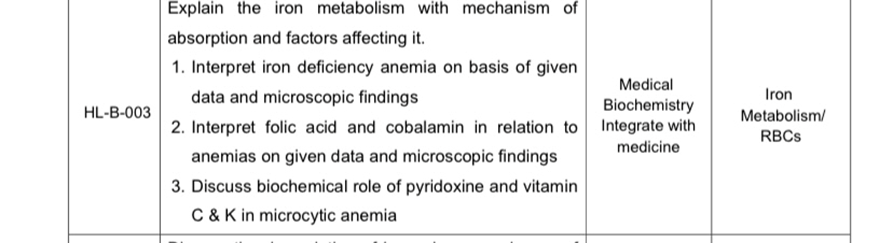
    Medicnetic Histology Block-1 Module -1

    Medicnetic Histology Block 1 Module-2

    Medico Guides 4th Block Histology Guidelines

                            Hadia Imtiaz (G13)

    Compiled by:

                      Hafiz Muhammad Umair Noor (G12)

    • 2nd year Histology is quite extensive as compared to 1st year
    • So we have to do it smartly
    • All diagrams are important, for better understanding of diagrams consider Difiore’s Atlas of Histology
    • For clinicals consult Laiq Hussain and Difiore’s Atlas of Histology
    • For theory point of view, we need to do things in Tabular form as there are alot of comparisons so I would prefer ARC notes along with your recommended Books, it would be very benificial Indeed!

    Recommended Book:

    • Medical Histology by Laiq Hussain 7th Edition (Chapter numbers are mentioned according to this edition)
    • Difiore’s Atlas of Histology
    • Mannual Of Histology (your practical notebook)
    • 2nd Year Histology Review By ARC (Notes)

    UHS 4th Block

    (Module No 06)

    • Microscopic features of Lips, Tongue & Oral Cavity (Read Regardly)
    • Histological structure of Parotid, Submandibular & Sublingual Gland (vvv.imp)
    • Difference between serous and mucous acini (imp)
    • Layers of GIT (vv.imp)
    • Histological difference between different parts of Esophagus (vvv.imp) Clinicals (Reflux esophagitis, Barret Esophagus)
    • Stomach (Pyloric & Fundic part Diagrams v.imp) Cliniclas (Role of Parietal cells in Pernicious Anemia)
    • Small Intestine (Diagrams are vv.imp + Histological features) Clinicals (Celiac disease & Crohn disease)
    • Large Intestine (Features and diagram imp)

    UHS 4th Block

    (Module No 07)

    • JG appratus and GF barrier (vv.imp),
    • Ureter and urinary bladder (v.imp)
    • Kidney (imp)
    • Clinicals (Cystitis,UTIs and Urinary bladder)

    2nd Year Histology Review By ARC (Notes)

    Medico Guides 4th Block Embryology Guidelines

    Prepared by:

                           Hadia Imtiaz (G13)

    Compiled by:

                      Hafiz Muhammad Umair Noor (G12)

    • Langman Medical Emryology 14th Edition
    • Development of tongue (read it and write it in concise manner, especially which structures contributing to its development)
    • You should know about terminology of tongue clinicals
    • Development of palate (intermaxillary seg + secondary palate)
    • Cleft lips and palate clinicals (all with defects in which structures)
    • Give read to the start of chapter for understanding start of development of Gut tube and know the extent of each part of gut tube.
    • Skip all molecular regulations

    Foregut:

    • Esophagus development (not much important) Tracheoesophageal septum  Tracheoesophageal fistula (imp & for better understanding do it from chapter 10)
    • Development and Rotation of stomach along with nerve supply (vv imp specially rotation)
    • Clinical: hypertrophic pyloric stenosis (projectile vomit is it’s clinical feature)
    • Development of duodenum not much important but make flow chart
    • Duodenal Atresia & Double bubble sign is important
    • Liver development (not much important but which structures develop from which bud is important) but its ventral mesentery and its developing structures are important. Also read it’s clinicals
    • Development of Pancreas (v imp)
    • Clinical: Annular Pancreas (vv imp) read rest clinicals

     Midgut:

    • Herniation, Rotation & Retraction of midgut is imp for diff clinicals, mcqs and its relation with SMA
    • Most imp clinical of midgut is Meckel’s Diverticulum , gastroschisis,omphalocele ,volvus must do them (vvv imp)
    • Give read to all other clinicals

         Hindgut:

    • Anal Canal development (v imp in gross too) ( both parts of anal canal(
    • Clinicals: congenital megacolon (imp) read others

    UHS 4th Block

    (Module No 07)

    • Read start of chapter to know start of development
    • Pronephros, Mesonephros
    • Metanephros (imp)
    • Ureteric bud and Metanephric blastema and their further development into structures (v imp)
    • Positional changes ( according to location, closeness, hilum and change in blood supply)
    • Clinicals: Horseshoe kidney, bifid ureter & ectopic ureter (imp) pelvic kidney. Read rest .
    • Urinary bladder development relative to its three parts & urachal defects especially extrophy of bladder
    • Urethra development difference in males and females

    Medico Guides 4th Block (Module No 07) Gross Anatomy Guidelines

                            Haris Nawaz (G13)

    Compiled by:

                      Hafiz Muhammad Umair Noor (G12)

    • Snell’s Clinical Anatomy By Regions 10th Edition
    • BD Chaurasia Human Anatomy 8th Edition

    ABDOMEN AND PELVIS

    Kidney:

    • Features and coverings important for viva
    • Relation difference between left and right kidney (imp)
    • Neurovascular supply (vv. imp for viva difference between right and left kidney supply)

    Clinicals:

    • Polycystic kidneys
    • Renal angle
    • Renal stones
    • staghorn stones

    Ureter

    • Relation diff btw right & left ureter imp,
    • Normal constrictions v imp
    • Neurovascular supply v imp)

    Clinicals:

    • Ureteric colic (v imp)
    • Read other clinicals

    Urinary Bladder

    • Gross features imp
    • True and False ligaments v imp for viva
    • Neurovascular supply vv imp
    • Clinicals (Read regardly)

    Urethra

    Parts are important (do table from KLM)

    Medico Guides 4th Block (Module No 06) Gross Anatomy Guidelines

    Prepared by:                       

                            Haris Nawaz (G13)

    Compiled by:

                      Hafiz Muhammad Umair Noor (G12)

    • Snell’s Clinical Anatomy By Regions 10th Edition
    • BD Chaurasia Human Anatomy 8th Edition

    HEAD AND NECK

    • Only supplies (imp)
    • Rest give a read
    • Supplies & Muscles (vvimp)
    • Muscles and Supplies (imp)
    • Difference from medicnetic PDF
    • Parotid most imp and supplies of rest
    • Waldayer’s ring (vv imp)
    • Only 3 const muscles from table
    • Supplies (imp)

    ABDOMEN AND PELVIS

    • Stomach Supplies (Proff UQ)
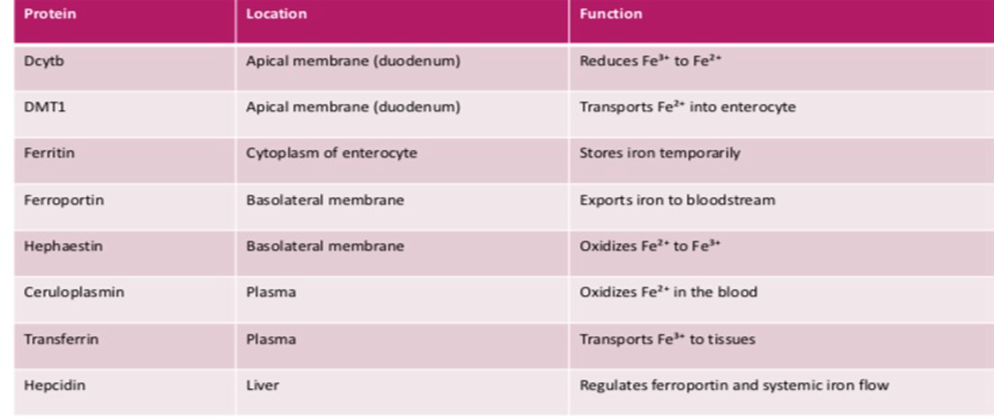
    • Stomach Bed (vv imp)
    • Duodenum, jejunum and ileum supplies (imp), plus difference from jejunum and ileum.
    • Duodenum  relations (vv imp)
    • Diff  b/w small and large intestine
    • Mainly supplies
    • All are imp celiac trunk, superior mesenteric artery (vv imp) , inferior mesentric artery
    • You know origin ,course and branches
    • Portal vein (vv imp) (complete)
    • Most imp for relations(from BD) and supplies
    • Supplies and relations+supports imp
    • Supplies & diff b/w upper and lower parts (from BD )imp
    • Supplies and relations  imp
    • McBurney point
    • Appendix positions
    • Suspensory ligament of duodenum
    • Calot triangle
    • Stomach bed
    • All these topics are high yield:
    • Greater omentum
    • Lesser omentum
    • Mesentry
    • Lesser sac
    • Epiploic foramen 
    • HepatoRenal and Recto uterine Pouch

    From Snell

    • Muscles vvimp

    From BD

    • Rectus sheath
    • Fascia transversalis
    • Inguinal ligament
    • Spermatic cord (vv imp)
    • From shared pdf
    • Remember  all clininicals are imp
    • Every clinical can be asked in your viva, mcq or written, so don’t  neglect this

    Medico Guides 4th Block (Module No 07) Biochemistry Guidelines

    Prepared by:

                        Nofal Anjum Khan (G13)

    Compiled by:

                        Hafiz Muhammad Umair Noor (G12)

    • Lippincott Illustrated Reviews: Biochemistry 7th Edition (Chapter numbers are mentioned according to this edition)
    • Satyanarayana Biochemistry 4th Edition

    PROTEIN METABOLISM

    • Structure, just give a read
    • Page 292 till Lesch Nyhan Syndrome Purine synthesis (fig 22.6, 22.7, 22.8, 22.9, 22.10 v imp)
    • 298- 301 Purine Degradation (fig 22.14, 22.15)
    • Page 302 – end of this chap
    • Pyrimidine synthesis and degradation (22.21, 22.22, 22.23)
    • Fig 22.8
    • Regulation of purine and pyrimidine synthesis on page 392 and 398-399 of Satya chap 17
    • Lesch Nyhan Syndrome (pg 296)
    • Gout (pg 299)
    • ADA/ SCID (pg 299)
    • Fig 22.1 and theory on page 302
    • Diff of CPS I / CPS II fig 22.20
    • Synthetic analogs pg 73 chap 5 Satya
    • PABA analogs/ Mycophenolic acid – fig22.7, 22.8
    • Deoxyribonucleotide synthesis complete along with blue box pg no 297

    ACID BASE BALANCE

    • Chap 21 Satya from page 474 (Acid Base Balance) till the end of this chap (along with all the tables) (table 21.4, 21.5, 21.6, 21.7 v imp)
    • Tetany associated with alkalosis (do it from google)

    Medico Guides 4th Block (Module No 07) Physiology Guidelines

    Prepared by:

                       Alisha Athar (G13)

    Compiled by:

                       Hafiz Muhammad Umair Noor (G12)

    • Guyton and Hall Textbook of Medical Physiology 14th Edition (Chapter numbers are mentioned according to this edition)

    THE BODY FLUIDS AND KIDNEYS

    • Body fluid compartments
    • ECF comaprtment
    • Iso,hyper,hypo osmotic fluids
    • Hypo and hypernatremia
    • Table 25.4
    • Fig 25.7
    • Edema (intracellular and extracellular edema)
    • Summary of safety factor that prevents edema
    • Functions of kidney
    • Physiological anatomy of kidney
    • Blood supply of kidney
    • Difference between cortical and juxta medullary neprhons
    • Micturition
    • Innervation of bladder(v.imp)
    • Vesicoureteral reflux
    • Ureterorenal reflex
    • Cystometrogram with fig 26.8
    • Micturition reflex (vvvv imp)
    • Facilitation and inhibition of micturition
    • Abnormalities of micturition (vvvvvvv imp)
    • Urinary excretion rate equation
    • Why large amount of solutes are filtered and reabsorbed by kidney
    • Glomerular filtration rate
    • Composition of glomerular filtrate (read)
    • Filtration fraction (definition and equation)
    • Glomerular capillary membrane
    • Why albumin restricted from filtration (imp)
    • Minimal change nephropathy ( proff seq)

    • Determinants of GFR ( proff seq)
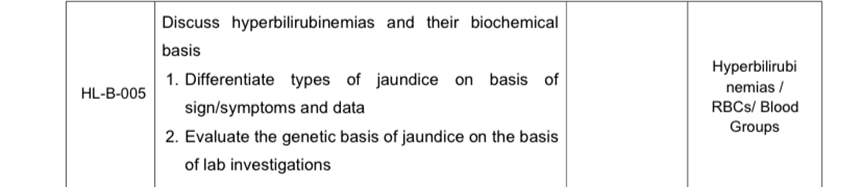
    • Fig 27.4
    • Increase glomerular capillary~ filtration coefficient
    • Increase GFR with increase hydrostatic pressure
    • Fig 27.7
    • Table 27.2
    • Renal blood flow(read)
    • Table 27.4
    • Control Of Glomerular filteration and blood flow(compl)

    • Autotegulation of GFR(compl)
    • Tubuloglomerular  feedback
    • Fig 27.11(SEQ)
    • Fig 27.10
    • Blockade of angiotensin formation .. (blue box pg 340)
    • Myogenic autoregulation
    • Fig 27.12
    • Table 27.5
    • Urinary excretion and filtration formula
    • Transcellular pathway and para cellular pathway (active transport on 2nd page of this chapter)
    • Fig 28.2 with net resorption of sodium ions paragraph (3 steps)
    • SGLT (2nd last paragraph of page 345) (mcqs)
    • Fig 28.3
    • Transport maximum,tubular load and threshold
    • Transport max of glucose value
    • Diff btw transport maximum and renal threshold of glucose ( google)
    • Fig. 28.4 (seq)
    • Fig 28.5 28.6 28.8 28.9 28.10 28.11
    • Fig 28.12, 28.13
    • Glomerulotubular balance
    • Table 28.2 (read)
    • Table 28.3 (2023 proff SEQ)
    • Fig 28.18 28.19
    • Use of clearance method whole topic (vvvvimp)
    • Table 28.4
    • Osmolarity low and high
    • Renal mechanism for dilute urine
    • Fig 29.1
    • Fig 29.2
    • Obligatory urine volume
    • Facultative resorption ( the resorption of water that take place in late distal tubule and cortical tubule under the influence of ADH)
    • Sea water cause dehydration
    • Excreting conc.urine requirements
    • Countercurrent mechanism complete + steps involved (vvvv imp with fig 29.4)
    • Fig 29.5
    • Urea contributes to hyperosmosis (imp)
    • Fig 29.6
    • Countercurrent exchanger by vasa recta
    • Fig 29.7
    • Free water and osmolar clearance
    • Disorders of urinary conc abilities all (vvvvvvv imp) diabetes insipidus
    • Fig 29.9 (seq)
    • Table 29.2
    • Table 29.3
    • Disorders of thirst and water intake (blue box)
    • Role of angiotensin and aldosterone in controlling ecf osmolarity
    • Table 30.1
    • Fig 30.2
    • Fig 30.7
    • Fig 30.10
    • Control of calcium excretion (fig 30.11)
    • Table 30.2
    • Table 30.3
    • Table 30.4
    • Pg 393-399 (read flowcharts from medical gateway)
    • Page 398 (renal escape in 2nd blue box)
    • Conditions causing increase in ECF( pg 400)
    • Acid base regulation ( don’t need to do it again… biochemistry wla hi yahan revise kr lein)
    • Isohydric principal in blue box (pg 408)
    • How Kidneys regulate ecf H+ concentration? (3 points on pg 410)
    • Secretion of H+ and absorption of HCO3
    • Fig 31.5
    • Table 31.2
    • Clinical causes of acid base disorders (last blue box) read it thoroughly and shortlist it
    • Treatment of acidosis and alkalosis
    • Anion gap(vvvvimp) complete
    • Table 32.1 (vvvvimp)
    • Kidney disease (acute and chronic)
    • Acute kidney injury with table 32.2
    • Glomerulonephritis
    • Chronic kidney disease with Table 32.4
    • Fig 32.2
    • Glomerulonephritis by chronic kidney disease
    • Injury to renal interstitium
    • Nephrotic syndrome
    • Effects of renal failure (Uremia)
    • Fanconi syndrome, barter syndrome, gitelman syndrome, liddle syndrome (page 433)