Prepared by:
Zuha Iftikhar (G14)
Compiled by:
Muhammad Ahmad Bhatti (G14)
Reference Books:
- Snell’s Clinical Anatomy By Regions 11 Edition
HEAD AND NECK
Chapter: 12
Note:
- This Head & Neck module is extensive and conceptually demanding. Therefore, do go through Past Papers side by side.
Study Strategy:
- Do not skip foundational topics, as later concepts depend on them.
- Focus on understanding the spatial relationships between structures rather than memorizing isolated facts.
- Visual learning is essential. Along with reading, use the diagrams in Snell’s Anatomy and draw simple flowcharts, concept maps, and labelled sketches wherever possible.
- For nerves, arteries, veins, lymphatics, and fascial spaces, prepare flowcharts to understand their course, branches, relations, and communications.
- Revise each section only after developing a clear conceptual picture of the anatomy.
Remember: Head & Neck cannot be mastered by reading text alone. A strong visual and conceptual approach is the key to understanding and retention.
Skull:
(HNSS-A-005)
Study Sequence
- Skull should be the first topic you study before starting the Head & Neck module, as it forms the foundation for understanding the Eye, Nose, Ear, Cranial Nerves, Facial Spaces, Neck, and other Head & Neck topics.
Recommended Video Lectures:
Watch either lecture in detail before starting the chapter.
- Keep a skull bone/model with you while studying and revise it with your friends alongside Snell’s Anatomy.
- Practice all skull diagrams from Snell’s, as they are highly important for OSPE.
- Many conceptual MCQs are based on skull anatomy, so build a strong foundation before moving to other Head & Neck topics.
Anterior View of Skull (Figure 12.2)
- Read the topic thoroughly. Figure 12.2 is highly important for OSPE and conceptual understanding.
- Two nasal bones form the bridge of the nose. (Important MCQ)
- Supraciliary arches are present on either side of the forehead, and the supraorbital notch/foramen lies at or near the orbital margin. (MCQ)
- Memorize the boundaries of the orbital margin:
- The bony nasal septum is mainly formed by the vomer and the perpendicular plate of the ethmoid bone. (Past Paper MCQ)
- Superior and middle nasal conchae are parts of the ethmoid bone, whereas the inferior nasal concha is a separate bone. (Repeated MCQ)
Lateral View of Skull
- Read the complete topic carefully.
- Pterion is the thinnest part of the lateral wall of the skull where the frontal, parietal, sphenoid, and temporal bones meet. (Prof Question)
- Fracture at the pterion may rupture the anterior division of the middle meningeal artery, resulting in an extradural (epidural) hematoma. (Very Important Clinical Correlation)
- Memorize the boundaries and communications of the pterygopalatine fossa. Pay special attention to:
- Sphenopalatine foramen
- Foramen rotundum
- Inferior orbital fissure (Very Important)
- Memorize the boundaries of the infratemporal fossa. (Frequently Asked)
- Memorize the boundaries of the inferior orbital fissure. (Important MCQ)
Norma Views
- Memorize all skull views and their names:
- Norma Frontalis
- Norma Lateralis
- Norma Verticalis
- Norma Occipitalis
- Norma Basalis
Norma Verticalis (Superior View)
- Memorize the coronal, sagittal, and metopic sutures. (Repeated MCQ)
Norma Basalis (Inferior View)
- Read this topic thoroughly, as it is comparatively difficult and frequently tested.
- Memorize all the openings in it.
- Memorize all openings of the skull base along with the structures transmitted through them. (Very Important for MCQs and OSPE)
Vault and Base of Skull (Read for conceptual understanding)
Anterior, Middle & Posterior Cranial Fossae
- The textual description of these fossae can be skipped.
- Instead, focus on Table 12.1, which is the most important part of this section.
Table 12.1
- This table should be on your fingertips. Multiple MCQs are repeatedly asked from it.
- Prepare mnemonics to remember the transmitted structures of each foramen. Memorize all 12 Cranial Nerves with their numbers and names using a suitable mnemonic before attempting Table 12.1, as it makes the topic much easier to understand and retain.
- Read the clinical notes for conceptual understanding. They are comparatively less important than the anatomical portion.
Skull Fractures
- Read the following fractures once:
- Pond fracture
- Anterior cranial fossa fractures
- Middle cranial fossa fractures
- Posterior cranial fossa fractures
- These are less important from the examination point of view.
Facial Bone Fractures
- Read the following once:
- Nasal fractures
- Maxillofacial fractures
- Blowout fractures
- Zygomatic arch fractures
- Blowout fractures and zygomatic arch fractures are comparatively more important. (Scenario-based MCQs have been asked in Professional Examinations.)
- Understand the clinical scenarios: If a fracture occurs in a particular region of the face, know which bone, artery, nerve, or adjacent structure is most likely to be injured.
- Zygomatic arch fractures are commonly associated with automobile accidents.
Mandible & Temporomandibular Joint:
(HNSS-A-010)
Mandible
- Study the mandible bone before starting the temporomandibular joint, as it forms the foundation for understanding the joint.
- Use a mandible bone model along with Snell’s Anatomy while studying.
- A simple video lecture is sufficient to understand the anatomy.
- Practice the OSPE diagrams simultaneously, as they are comparatively difficult and become challenging if left for later revision.
- Mandible fractures: Read once for conceptual understanding.
Temporomandibular Joint (TMJ)
- This is a very important topic and should be studied thoroughly.
- Know the type of joint: Synovial joint. (Important MCQ)
- Memorize the articulating surfaces, especially the mandibular fossa and the mandibular condyle.
- Memorize all ligaments of the TMJ.
- Articular disc is an important MCQ.
- Nerve supply of TMJ: Auriculotemporal nerve and masseteric branches of the mandibular nerve. (Repeated MCQ)
- Study Table 12.2 (Muscles of Mastication) completely. This table is very important and frequently tested in MCQs.
- Memorize the movements of the mandible along with the muscles producing them.
- Memorize the relations of the TMJ (Important for MCQs & Viva)
- Clinical Notes: Read Temporomandibular Joint Clinicals and Temporomandibular Joint Dislocation once. These are less important but should be understood for conceptual knowledge.
Scalp
(HNSS-A-006)
- Skip the Neonatal Skull portion.
- Start with the Scalp, as it is a very important topic for both MCQs and clinical scenarios.
Layers of the Scalp
- Study the five layers of the scalp thoroughly. Multiple MCQs are frequently asked from this topic.
- Emissary veins are valveless. (Repeated MCQ)
- Know which layer causes profuse bleeding when injured. (Scenario-based MCQ)
- Anastomosis of the scalp is clinically important and frequently tested in clinical scenario-based questions.
Muscles of the Scalp
- Study Table 12.3 completely.
- Nerve supply is the most important part of MCQs.
Sensory Nerve Supply
- Prepare a proper flowchart of the sensory nerve supply and keep it with this topic for revision.
- The sensory nerves of the scalp should be on your fingertips, as they are repeatedly asked.
- Know the origin of each nerve and the division/plexus from which it arises. (Important MCQ)
Arterial Supply
- Study the arterial supply completely.
- Prepare a mnemonic and flowchart showing the origin of each artery.
- Figure 12.15 is important for conceptual understanding.
Venous Drainage
- Study the venous drainage thoroughly.
- Know where each vein drains and how they contribute to the formation of the external jugular vein. (Important MCQ)
Lymphatic Drainage
- Memorize the drainage to:
- Submandibular lymph nodes
- Superficial parotid lymph nodes
- Mastoid lymph nodes
- Occipital lymph nodes
Clinical Notes
- Read all clinical notes.
- Give special attention to:
- Sebaceous cyst
- Osteomyelitis
- Scalp infections
- Venous sinus thrombosis
- Scalp infections and venous sinus thrombosis are frequently tested as clinical scenario-based MCQs.
Muscles of Facial Expression:
(HNSS-A-007)
- Study it completely or do it from Medicnetic in table form.
- Facial muscle paralysis is an important clinical note. Read it completely.
Neurovascular Supply of Face:
(HNSS-A-008)
Sensory Nerve Supply
- Start with the skin of the face, followed by the sensory nerve supply.
- Figure 12.20 is very important. It was previously asked as an SEQ and is important for conceptual understanding.
- Study the trigeminal nerve completely, including all three divisions.
- Prepare a proper flowchart showing the divisions and branches of the trigeminal nerve. Every type of MCQ can be asked from this topic.
Arterial Supply
- Study the arterial supply completely.
- Facial artery is a frequently tested topic.
- Memorize:
- Site where the facial pulse is palpated. (Repeated MCQ)
- Branches of the facial artery.
- Anastomosis of the facial artery.
- Superficial temporal artery is a branch of the external carotid artery and begins within the parotid gland. (Important MCQ)
- Memorize the arteries properly.
Venous Drainage
- Study the venous drainage thoroughly.
- Facial vein is formed at the medial angle of the eye by the union of the supraorbital and supratrochlear veins. (Repeated MCQ)
- Facial vein communicates with the superior ophthalmic vein, which drains into the cavernous sinus. (Very Important MCQ)
- Facial vein ultimately drains into the internal jugular vein. (Repeated MCQ)
- Study the pterygoid venous plexus carefully.
Lymphatic Drainage
- Memorize the lymphatic drainage for MCQs.
Clinical Notes
- Facial infections and cavernous sinus thrombosis (Danger Triangle of the Face) are very important and commonly tested in clinical scenario-based MCQs.
- Trigeminal neuralgia is a very important clinical condition. Study it completely.
Clinical Correlation
- Memorize the site for taking the facial pulse and the artery from which it is palpated. (MCQs)
Danger Area of Face:
(HNSS-A-009)
- Study the Danger Triangle of the Face along with the venous communications.
- Understand the spread of infection from the face to the cavernous sinus through the facial and ophthalmic veins. (Very Important Clinical MCQ)
Important Nerves to Master Before Proceeding:
Trigeminal Nerve (CN V)
- This is one of the most important nerves in this block.
- Memorize:
- Three divisions (V1, V2, V3)
- All major branches
- Areas of sensory supply
- Prepare a complete flowchart for easy revision.
Facial Nerve (CN VII)
- This is the second most important nerve in this block.Make proper flowchart first.
- Memorize the complete course and five terminal branches.
- Mnemonic:To Zoo By Motor Car
- Temporal
- Zygomatic
- Buccal
- Marginal Mandibular
- Cervical
- Do not confuse the buccal branch of the facial nerve with the buccal nerve (branch of the mandibular division of the trigeminal nerve). (Repeated MCQ)
Eye:
(HNSS-A-001)
- Start the Eye from page 650 of Snell’s Clinical Anatomy.
- Read the introductory paragraphs once for conceptual understanding. They are not highly important from the examination point of view.
Lacrimal Apparatus
- Lacrimal apparatus is a very important topic.
- Study the lacrimal gland thoroughly. (Repeated MCQ)
- Memorize the lacrimal ducts and the drainage pathway of tears.
- Study Table 12.4 completely. The eyeball and eyelid muscles are frequently tested.
- Memorize the origin, insertion, nerve supply, action, and function of every muscle, with special emphasis on the nerve supply.
Orbit
- Memorize the boundaries of the orbital margins, as they are repeatedly tested.
- Study the four walls of the orbit thoroughly.
- Memorize the bones forming each wall. (Important MCQ)
Openings of the Orbit
- This is a very important topic. Memorize the location and transmitted structures of all openings.
- Study the orbital fascia as well.
Important Nerves
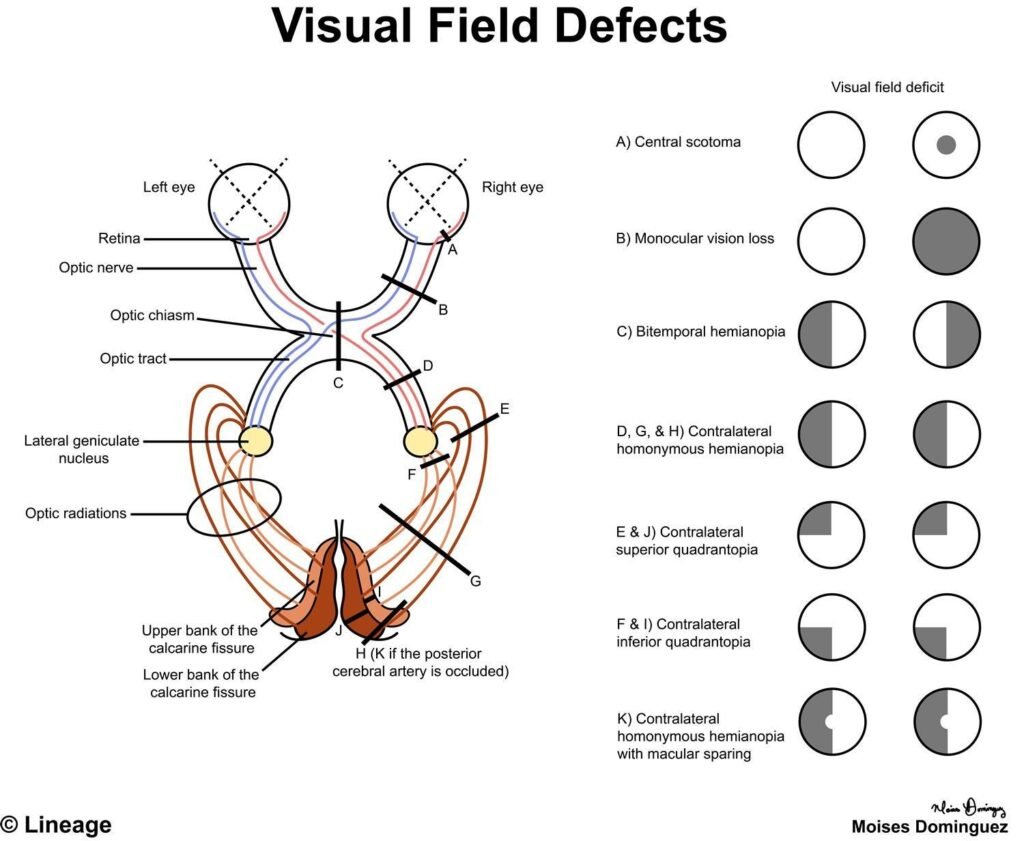
- Optic nerve (CN II) is a very important nerve. Prepare a proper flowchart showing its course and major relations. This will also help in Physiology.
- Oculomotor nerve (CN III): Prepare a complete flowchart showing its branches and supply.
- Trochlear nerve (CN IV): Read the topic once. It is short but important.
- Abducent nerve (CN VI): Memorize its course and nerve supply.
Ciliary Ganglion
- Study the ciliary ganglion completely, including its roots and branches. (Important MCQ)
Ophthalmic Artery
- Study the ophthalmic artery completely.
- Prepare a flowchart of its branches, as they are frequently tested in MCQs.
Movements of the Eyeball
- Read the movements once for conceptual understanding.
- This topic is comparatively less important for MCQs.
Ophthalmic Veins
- Memorize the relation of the ophthalmic veins with the cavernous sinus. (Important Clinical MCQ)
Extraocular and Intraocular Muscles
- Memorize all extrinsic (extraocular) and intrinsic ocular muscles.
- The nerve supply and actions are very important.
- Pay special attention to the two exceptions:
- Lateral rectus → Abducent nerve (CN VI)
- Superior oblique → Trochlear nerve (CN IV)
- These are repeatedly asked MCQs.
Eyeball
- Study the structure of the eyeball completely.
- Memorize the three coats of the eyeball:
- Fibrous coat
- Vascular coat (Uvea)
- Nervous coat (Retina)
- Memorize the blood supply and nerve supply of the cornea and sclera.
- Study the ciliary body completely.
- Memorize the ciliary muscle, especially its nerve supply and action. (Repeated MCQ)
- Study the iris and pupil, with special emphasis on their nerve supply.
- Complete the remaining structures:
- Aqueous humour
- Vitreous body
- Lens
Clinical Notes
- Clinical notes are important and should be studied properly.
- Give special attention to:
- Eye trauma
- Blowout fractures
- Strabismus
- Pupillary reflexes
- Pupillary reflexes will also be covered in Physiology, so correlate both subjects while studying.
Skull (Norma Lateralis: Temporal, Infratemporal & Pterygopalatine Fossae):
(HNSS-A-005)
Temporal Fossa
- Study the temporal fossa thoroughly.
- Memorize the boundaries, contents, and primary communications. (Repeated MCQ)
Infratemporal Fossa
- This is a very important topic.
- Memorize the boundaries, contents, and primary communications. (Repeated MCQ)
- Use mnemonics to remember the boundaries and communications.
Pterygopalatine Fossa
- This is one of the most important fossae in Head & Neck.
- Memorize the boundaries, contents, and primary communications. (Frequently Asked MCQ)
Maxillary Artery
- Memorize the branches of the maxillary artery. (Repeated MCQ)
- Prepare a flowchart for quick revision.
Maxillary Nerve (CN V₂)
- Read the branches of the maxillary nerve once and prepare a simple flowchart.
Mandibular Nerve (CN V₃)
- Read the branches of the mandibular nerve once and prepare a simple flowchart.
Neck
- Study the skin, superficial fascia, and cutaneous nerves first.
- Memorize the cutaneous nerves properly, as they are repeatedly revised in later Head & Neck topics.
- Study the platysma muscle completely.
- Platysma innervation and distortion of the angle of the mouth following facial nerve injury are important clinical correlations. (Important MCQ)
- Study Table 12.5 (Neck Muscles) completely.
- Nerve supply and action are the highest-yield portions, while origin and insertion are also frequently asked in MCQs and Viva.
Head & Neck Venous Drainage:
(HNSS-A-025)
External Jugular Vein
- Study the external jugular vein thoroughly.
- Prepare a proper flowchart showing its formation and tributaries.
- Figure 12.50 is very important for understanding the venous drainage of the neck.
- Memorize the tributaries of the external jugular vein. (Repeated MCQ)
Sternocleidomastoid & Trapezius:
(HNSS-A-019)
Sternocleidomastoid Muscle
- Read the paragraph thoroughly, as this muscle is frequently tested in Prof examinations.
- Memorize the origin, insertion, nerve supply, action, and relations.
- Understand its role in dividing the neck into anterior and posterior triangles.
- Clinical Notes:
- Congenital torticollis (Repeated MCQ)
- Spasmodic torticollis (Past Paper MCQ)
- Protective action of the sternocleidomastoid muscle during trauma
Triangles of the Neck:
(HNSS-A-020)
- This is a very important topic and should be on your fingertips.
- Memorize the:
- Anterior triangle
- Posterior triangle
- Memorize the boundaries, subdivisions, and contents of each triangle. (Important for MCQs, Viva & OSPE)
Deep Cervical Fascia:
(HNSS-A-015)
- Memorize the three layers:
- Investing layer
- Pretracheal layer
- Prevertebral layer
- Study the:
- Carotid sheath
- Axillary sheath
- Cervical ligaments
Contents of the carotid sheath are frequently tested. (Repeated MCQ)
Facial Spaces:
(HNSS-A-016)
- This is a very important clinical topic.
- Understand the facial spaces and the spread of infection.
- Clinical scenarios are commonly asked from this topic.
- Study:
- Acute infections of facial spaces
- Ludwig’s angina (Important Viva & MCQ)
- Dental infections
- Chronic infections of deep facial spaces
- Tuberculous infection of the deep cervical lymph nodes
Carotid Arteries:
(HNSS-A-023)
Carotid System
- Study the common carotid artery thoroughly.
- Memorize the carotid sheath and its contents. (Repeated MCQ)
- Carotid sinus is an important topic.
- Memorize its relation with the glossopharyngeal nerve (CN IX). (Important MCQ)
- Carotid sinus hypersensitivity (syncope) is a frequently tested clinical correlation.
- Carotid body is also an important MCQ.
- The detailed relations and branches of the common carotid artery are comparatively less important and can be read once for conceptual understanding.
Head & Neck Venous Drainage:
(HNSS-A-025)
Head & Neck Veins
- This is a very important topic.
- Prepare flowcharts for the venous drainage to simplify memorization.
- Memorize the:
- External jugular vein and its tributaries
- Internal jugular vein and its tributaries
- Visual flowcharts make this topic much easier for MCQs.
- The clinical notes can be read once, as they are comparatively less important.
Lymphatic Drainage of Head & Neck:
(HNSS-A-026)
Lymphatic Drainage
- Read the topic once for conceptual understanding.
- Memorize the:
- Superficial cervical lymph nodes
- Deep cervical lymph nodes
Cervical Plexus:
(HNSS-A-027)
- Read the cervical plexus once for understanding.
- Memorize the important nerves included in the Block 5 syllabus.
Otic & Submandibular Ganglia:
(HNSS-A-011)
Autonomic Nervous System
- Study the Autonomic Nervous System briefly for conceptual understanding.
- Memorize the sympathetic and parasympathetic components related to the Head & Neck.
- Memorize the parasympathetic ganglia of the Head & Neck and the structures they supply:
- Ciliary ganglion
- Pteyrgopalatine ganglion
- Submandibular ganglion
- Otic Ganglion (Repeated MCQ)
Clinical Notes
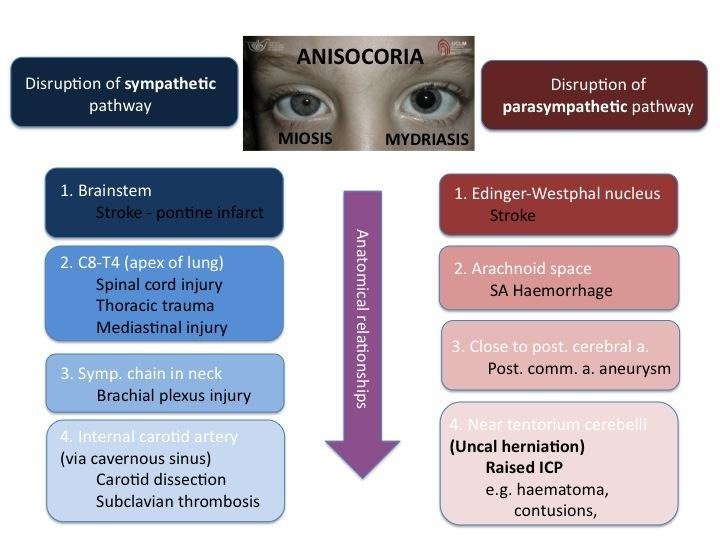
- Horner syndrome is a very important topic and a Past Paper Question.
- Memorize:
- Cause of Horner syndrome
- Sympathetic nerve pathway involved
- Classical features/effects of Horner syndrome
- Ciliary ganglion block is comparatively less important. Read it once for conceptual understanding.
Ear:
(HNSS-A-003)
External Ear
- Study the three parts of the ear:
- External ear is comparatively less important. Read it once for conceptual understanding.
- Tympanic membrane is an important topic and is frequently tested in MCQs.
- Clinical Note: Tympanic membrane perforation can be read once for conceptual understanding.
Middle Ear
- This is the most important portion of the Ear.
- Memorize the four components of the middle ear.
- Study the tympanic cavity thoroughly.
- Memorize the two parts of the tympanic cavity.
- The boundaries of the tympanic cavity are very important. Think of it as a six-sided box and memorize all its walls (Repeated MCQ & Viva)
- Study the auditory ossicles completely.
- Memorize the middle ear muscles along with their nerve supply.
- Study the auditory (pharyngotympanic/Eustachian) tube.
- Study the mastoid antrum and mastoid air cells.
- Relations of the mastoid antrum are important because they explain the spread of middle ear infections. (Clinical MCQ)
Clinical Notes
- Otitis media
- Complications of otitis media
- Ossicular disruption
- These topics are commonly asked in clinical scenario-based MCQs.
Nerve Supply
- Memorize the important nerves related to the ear:
- Facial nerve (CN VII)
- Glossopharyngeal nerve (CN IX)
- Memorize the branches supplying the middle ear, as they are frequently tested.
Internal Ear
- Read the topic once for conceptual understanding.
- Study the:
- Bony labyrinth
- Membranous labyrinth
- This topic will be covered in greater detail in Physiology, so focus mainly on the anatomical overview.
- Memorize the Vestibulocochlear nerve (CN VIII) and the ganglia associated with it. (Important MCQ)
Tongue:
(HNSS-A-004)
- Revise the Tongue completely from the Block 4 guidelines.
- Pay special attention to the muscles of the tongue, nerve supply, lymphatic drainage, and clinical correlations, as these topics remain important in this block.
Pharynx:
(HNSS-A-028)
- This is a new and very important topic in Block 5. Study it thoroughly.
- Memorize the three parts of the pharynx. (Repeated MCQ)
- Study the pharyngeal mucous membrane, blood supply, and nerve supply completely.
- Memorize the pharyngeal muscles, especially the constrictor muscles and their actions.
- Study Table 12.11 completely.
- Stylopharyngeus muscle is the only muscle supplied by the Glossopharyngeal nerve (CN IX). (Repeated MCQ & Past Paper)
- Study the pharyngeal lymphoid tissue (Waldeyer’s ring) and its components.
Clinical Notes
- Piriform fossa is a very important topic. Foreign body impaction in the piriform fossa is a frequently tested clinical scenario.
- Study:
- Pharyngeal pouch
- Cricopharyngeus muscle
- Cervical tuberculosis
- Osteomyelitis
- Do not skip the clinical notes, as they are commonly tested in MCQs and Viva.
Physiology Correlation
- The process of swallowing (deglutition) will be covered in Physiology, so only read it for conceptual understanding during Anatomy or skip it.
Tonsils:
(HNSS-A-030)
- Revise the Tonsils from the Block 4 guidelines.
Trachea & Esophagus:
(HNSS-A-021)
- Revise the Esophagus & trachea (on Page 745) from the Block 4 guidelines.
- Superficial revision is sufficient, as it has already been covered in detail.
Trachea (Clinical Notes)
- Read the clinical notes of the trachea (Page 746 onwards).
- Cricothyroidotomy is an important topic.
- Memorize the structures incised during a cricothyroidotomy. (Repeated MCQ & Viva)
- Tracheostomy is also an important topic and should be studied properly. (Important Clinical MCQ)
Nose:
(HNSS-A-002)
External Nose
- This is a very important and comparatively easy topic.
- Study the external nose thoroughly.
- Memorize the blood supply of the external nose, especially the branches of the facial artery and ophthalmic artery. (Repeated MCQ)
- Study the ala of the nose and the lower part of the nasal septum.
- Memorize the sensory innervation of the external nose. (Important MCQ)
Nasal Cavity
- Study the nasal cavity completely.
- The walls of the nasal cavity are very important, especially:
- Lateral wall is the highest-yield portion. Memorize all the important structures and paranasal sinus openings present on it. (Repeated MCQ)
- Study the nasal mucous membrane thoroughly.
- Memorize the nerve supply, blood supply, and lymphatic drainage of the nasal cavity. (Frequently Asked MCQ)
Clinical Notes
- Study:
- Nose trauma
- Nasal cavity infections
- Foreign bodies in the nose
- Epistaxis (nosebleed) is the most important clinical topic and is frequently tested in MCQs and Viva.
- Remember that the surgical approach to the pituitary gland is the transnasal (transsphenoidal) approach. (Important Clinical MCQ)
Paranasal Sinuses
- This is one of the most important topics of the Nose.
- Study Table 12.12 completely. This table is a high-yield table and should be on your fingertips for MCQs.
- Memorize each paranasal sinus in detail:
- Pay special attention to their:
- Drainage
- Relations
- Openings into the nasal cavity
(Repeated MCQ)
Clinical Notes
- Study the clinical notes related to:
- Frontal sinus
- Ethmoidal sinus
- Maxillary sinus
- Extension of an apical dental abscess is a common cause of maxillary sinusitis. (Repeated Clinical MCQ)
- The procedural techniques mentioned at the end of the chapter can be read once, as they are comparatively less important from the examination point of view.
Larynx:
(HNSS-A-029)
Larynx
- This is a very important topic and should be studied thoroughly.
- Memorize the location of the larynx and the vertebral levels from which it extends. (Repeated MCQ)
- For better conceptual understanding, watch Dr. Sumit Gupta’s lecture on the Larynx, as it explains the topic in detail.
Laryngeal Cartilages
- Memorize all the paired and unpaired cartilages of the larynx. (Repeated MCQ)
- Study the laryngeal joints completely.
- Memorize the laryngeal membranes and ligaments, as they are frequently tested in MCQs.
External Features
- Memorize the laryngeal inlet and its boundaries. (Important MCQ)
- Piriform fossa is a frequently tested topic. Study its anatomy and clinical importance.
- Study the:
- Vestibular folds (False vocal cords)
- Vocal folds (True vocal cords)
- Laryngeal cavity
Laryngeal Muscles
- Study the extrinsic and intrinsic muscles of the larynx.
- Table 12.13 is very important. Memorize the origin, insertion, nerve supply, and action of all the muscles.
- Pay special attention to the exception in nerve supply:
- Cricothyroid muscle is supplied by the External Laryngeal Nerve.
- All remaining intrinsic muscles are supplied by the Recurrent Laryngeal Nerve. (Repeated MCQ)
- Memorize the actions of the laryngeal muscles, as they are frequently tested.
Vocal Cord Movements
- Read once for conceptual understanding.
- This topic is comparatively less important and can be revised superficially.
Nerve Supply
- Sensory and motor nerve supply of the larynx is a very important topic.
- Memorize the sensory innervation:
- Above the vocal folds
- Below the vocal folds
- Memorize the motor nerve supply of all laryngeal muscles. (Repeated MCQ)
Blood Supply & Lymphatic Drainage
- Memorize the blood supply and lymphatic drainage of the larynx. (Important MCQ)
Clinical Notes
- Read the clinical notes once for conceptual understanding.
- Laryngeal mucosal edema is an important clinical condition and should be memorized.
- The remaining clinical notes are comparatively less important.
Thyroid & Parathyroid Glands:
(HNSS-A-022)
Endocrine System
- You may study this portion at the beginning as well, as it is comparatively easy and covers a significant portion of the Head & Neck syllabus.
Pituitary Gland
- Study the pituitary gland completely.
- Memorize the location and relations, even if they are not emphasized in the text. (Important MCQ)
- Memorize the blood supply thoroughly, as it is frequently tested.
- Venous drainage into the intercavernous sinus is an important MCQ.
- This is a comparatively easy and high-yield topic.
Thyroid Gland
- This is one of the most important topics of the Endocrine System.
- Memorize:
- Lobes of the thyroid gland
- Isthmus
- Extent of the thyroid gland
- Extent of the isthmus
- Location of the thyroid gland
- Levator glandulae thyroideae
- Relations of the thyroid lobes are very important. Use mnemonics to memorize them.
- Relations of the isthmus are also frequently tested.
Blood Supply
- Memorize the arterial supply and venous drainage of the thyroid gland completely. (Repeated MCQ & Viva)
Lymphatic Drainage & Nerve Supply
- Memorize the lymphatic drainage and nerve supply thoroughly, as they are frequently tested.
Clinical Notes
- Thyroidectomy is one of the most important clinical topics.
- Memorize:
- Relation of the parathyroid glands during thyroidectomy.
- Important arteries and nerves at risk during surgery.
- Recurrent laryngeal nerve injury and its clinical consequences.
- External laryngeal nerve injury leading to weakness of the cricothyroid muscle.
- Vocal cord paralysis and hoarseness of voice.
- Study:
- Retrosternal goitre
- Effect of thyroid enlargement on the airway
Parathyroid Glands
- Read the topic completely for conceptual understanding.
- It is comparatively less important than the thyroid gland.
- Memorize:
- Blood supply
- Lymphatic drainage
- Nerve supply
- Understand the relation of the parathyroid glands with the thyroid gland, as this is important during thyroidectomy.
Remaining Learning Objectives:
(HNSS-A-012, HNSS-A-013, HNSS-A-014 & HNSS-A-017)
- These Learning Objectives can be studied from Medicnetic or Medico Express for a concise and conceptual understanding.
Ansa Cervicalis:
(HNSS-A-018)
- Watch a detailed video lecture on the Ansa Cervicalis for conceptual understanding: https://youtu.be/a9xb0FsEJuw?si=jV9RY5tjt_XTOpW0
- Prepare a flowchart/diagram showing its formation, roots, branches, and muscles supplied.
- Memorize the complete nerve pathway thoroughly.
- Pay special attention to the relation of the Hypoglossal nerve (CN XII) with the superior root (descendens hypoglossi), as this is a frequently tested MCQ.
- Revise this topic multiple times, as it is commonly asked in both MCQs and Viva.